1. Customer Service Excellence
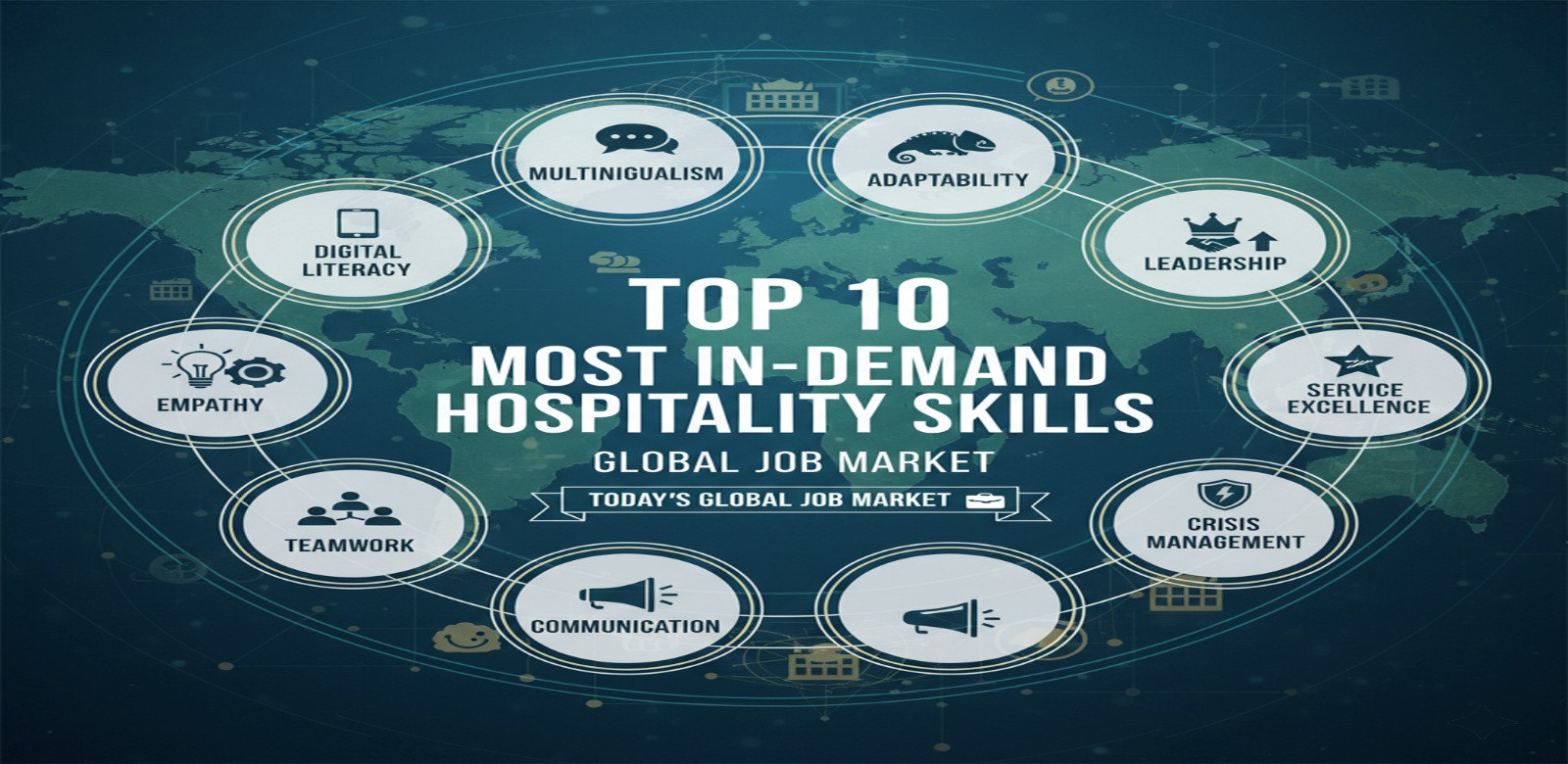
In hospitality, customer service is not just a skill—it’s the soul of the industry. Whether at a front desk, restaurant, or event venue, employees must master the art of making every guest feel valued, heard, and delighted. This skill requires empathy, patience, cultural sensitivity, and the ability to anticipate guest needs before they are even expressed. Professionals with strong customer service abilities understand that every interaction shapes brand reputation and repeat business. They must handle complaints gracefully, personalize experiences, and maintain composure under stress. In luxury hospitality, this also extends to emotional intelligence—reading non-verbal cues, remembering preferences, and exceeding expectations through thoughtful gestures. Digital transformation has further amplified the importance of omnichannel service, where communication happens through email, chat, social media, and review platforms. Employers actively seek individuals who combine warmth, professionalism, and problem-solving in guest engagement. Ultimately, exceptional service turns customers into loyal advocates and transforms an ordinary stay into a memorable experience.
2. Communication and Interpersonal Skills
Hospitality thrives on human connection, making communication one of the most essential and universally demanded skills in the sector. Clear, courteous, and confident communication enables smooth coordination between departments and seamless guest experiences. Verbal communication ensures clarity at reception, concierge, and food service points, while non-verbal communication—tone, posture, facial expression—helps convey empathy and attentiveness. In the multicultural hospitality environment, language proficiency and cultural awareness add immense value. Written communication is equally vital: drafting professional emails, reports, and social media responses requires precision and tact. Moreover, interpersonal skills go beyond speech—they include active listening, diplomacy, and the ability to build rapport with diverse personalities. With the rise of remote bookings and online feedback, communication now extends to digital literacy and online etiquette. Employees who communicate effectively minimize errors, defuse conflicts, and enhance guest satisfaction. Employers prize team members who can connect authentically, collaborate seamlessly, and uphold brand tone across every interaction—from lobby greetings to executive correspondence.
3. Adaptability and Problem-Solving
In an industry defined by unpredictability—unexpected guest demands, last-minute bookings, technical breakdowns, or weather disruptions—adaptability and problem-solving are prized assets. Successful hospitality professionals demonstrate agility, remaining calm under pressure and finding quick, effective solutions that balance guest satisfaction with operational feasibility. Adaptability involves the mental flexibility to switch between roles and responsibilities, such as multitasking between front office duties and crisis management. It also includes embracing change—new technologies, evolving guest expectations, or shifting safety protocols. Problem-solving in hospitality requires analytical thinking, resourcefulness, and sound judgment. Employees must identify the root cause of issues rather than merely reacting to symptoms, whether it’s a room allocation problem, a kitchen delay, or a supply shortage. In luxury properties and large-scale event settings, proactive problem-solving even means anticipating challenges before they arise. Employers value staff who can think on their feet, maintain composure, and implement creative solutions that safeguard both guest satisfaction and operational integrity. Flexibility, after all, defines resilience in hospitality.
4. Teamwork and Collaboration
No hotel, resort, or restaurant functions in isolation—hospitality is inherently a team-driven industry. From housekeeping and front desk operations to F&B and maintenance, departments must coordinate like gears in a clock to ensure flawless service delivery. Teamwork requires communication, mutual respect, and the ability to prioritize collective goals over individual recognition. Effective collaboration also demands emotional intelligence—understanding team dynamics, supporting colleagues under pressure, and sharing credit for successes. In large properties or chain hotels, cross-departmental collaboration becomes critical: the success of a guest’s stay might depend on coordination between reservations, catering, and concierge services. Modern hospitality organizations also rely on multicultural and multilingual teams, which makes inclusivity and cultural adaptability essential components of teamwork. Digital tools such as PMS (Property Management Systems) and workflow apps enhance collaboration, but human synergy remains irreplaceable. Employers consistently prioritize candidates who demonstrate a cooperative spirit, reliability, and leadership in fostering positive team environments. A united team doesn’t just deliver service—it delivers consistency, trust, and memorable guest experiences.
5. Cultural Awareness and Emotional Intelligence
With global tourism expanding and guest demographics diversifying, cultural awareness has become a strategic skill in hospitality. Professionals must understand and respect cultural differences in customs, etiquette, dietary preferences, and communication styles. For instance, a gesture considered friendly in one culture may be inappropriate in another. Emotional intelligence complements cultural sensitivity—it’s the ability to perceive, understand, and manage emotions (both one’s own and others’) in social interactions. Together, these traits enable hotel staff to engage with empathy, defuse tensions, and deliver personalized service that feels authentic across cultures. This skill extends beyond guest relations: it fosters harmony among multicultural staff, enhances inclusivity, and strengthens brand image as globally aware and respectful. Training in cross-cultural communication, non-verbal cues, and unconscious bias equips employees to serve international guests with confidence. Employers in multinational chains place immense value on emotional and cultural intelligence, as these competencies transform service delivery from transactional to relational—creating emotional resonance that drives loyalty and satisfaction.
6. Technology and Digital Literacy
Hospitality has evolved into a tech-powered industry. From mobile check-ins and AI-powered chatbots to CRM systems, POS interfaces, and revenue management platforms, technology now underpins every guest interaction and operational process. Digital literacy—the ability to effectively use and adapt to technological tools—is therefore a top-tier skill. Professionals who can navigate Property Management Systems (like Opera or Cloudbeds), manage digital bookings, update guest data securely, and interpret performance dashboards have a strong edge. Social media management, online reputation handling, and familiarity with digital marketing tools are additional advantages. Beyond technical proficiency, digital literacy also means data awareness—understanding privacy policies, cybersecurity basics, and ethical handling of guest information. The rise of automation doesn’t reduce the human element; rather, it demands tech-savvy staff who can merge warmth with efficiency. Employers now expect hospitality talent to be comfortable with digital workflows, virtual collaboration tools, and smart hotel ecosystems. Mastering technology enhances operational accuracy, reduces costs, and delivers the seamless, contactless experiences that modern guests increasingly demand.
7. Leadership and People Management
Strong leadership remains one of the most sought-after skills in hospitality, especially for supervisory and management roles. A hotel is a microcosm of a living ecosystem—dynamic, diverse, and often under intense time pressure. Effective leaders inspire teams, coordinate operations, handle conflicts, and align staff efforts with brand values. Leadership in hospitality is service-oriented; it blends authority with empathy and accountability. Successful managers lead by example—showing professionalism, patience, and adaptability in every action. They must also be adept at workforce planning, training, and performance appraisal to keep morale high and turnover low. The ability to motivate staff from different cultural backgrounds and skill levels is a hallmark of a true hospitality leader. Additionally, leadership involves strategic foresight—anticipating market trends, understanding guest behavior, and making informed decisions to sustain profitability and service excellence. Employers look for leaders who can balance guest satisfaction with operational efficiency, instill a culture of continuous improvement, and transform ordinary teams into high-performing, guest-centric units.
8. Attention to Detail and Quality Control
In hospitality, excellence lives in the details—the crispness of bed linens, the precision of a folded napkin, or the tone of a greeting at check-in. Attention to detail is a critical skill that distinguishes good service from great service. It involves the ability to notice small inconsistencies, anticipate potential issues, and uphold brand standards meticulously. Whether inspecting rooms, arranging table settings, or verifying bookings, attention to detail ensures that operations run flawlessly. Quality control is its natural extension—it involves systematic monitoring of processes and outcomes to maintain service consistency across all touchpoints. Professionals with this skill cultivate a mindset of perfectionism balanced with practicality. They understand that every detail contributes to the guest’s perception of value and care. In luxury or boutique settings, where expectations are exceptionally high, precision is non-negotiable. Employers prize candidates who treat every task with the same commitment to excellence, knowing that one overlooked element can erode brand trust and guest satisfaction. Detail orientation is the invisible glue that holds hospitality excellence together.
9. Multitasking and Time Management
Hospitality environments are fast-paced, complex, and constantly shifting. Front desk staff may handle check-ins, phone inquiries, and guest complaints simultaneously; chefs must coordinate multiple orders while maintaining quality; event managers juggle logistics, vendors, and client communication. Hence, the ability to multitask effectively and manage time is essential. This skill is not just about doing many things at once—it’s about prioritizing, delegating, and maintaining accuracy under pressure. Time management requires self-discipline, organization, and an understanding of operational flow. Digital scheduling tools and PMS systems help, but the real strength lies in human judgment—knowing what needs immediate attention and what can wait. In hospitality, deadlines are rigid and moments are perishable; efficiency directly affects guest satisfaction and profitability. Employers look for individuals who can deliver results swiftly without compromising quality. Mastering this skill ensures operational stability during peak hours, special events, or crisis situations. Well-managed time equals smooth service, happier guests, and less burnout among staff—a win for both the business and its people.
10. Sales, Revenue Management, and Upselling
Beyond service, hospitality is a business—and profitability hinges on effective sales and revenue management. Professionals with a commercial mindset can identify opportunities to maximize income while enriching guest experiences. Sales skills involve understanding guest psychology, identifying needs, and suggesting value-added services—from room upgrades to dining packages or spa treatments. Revenue management goes deeper: it combines analytical and strategic thinking to optimize room rates, forecast demand, and balance occupancy with profitability. With digital tools and data analytics, hotels can now personalize offers and predict trends more precisely. Staff trained in upselling and cross-selling create win-win scenarios—guests enjoy enhanced experiences, and the property boosts its margins. In today’s competitive landscape, the ability to sell subtly, ethically, and effectively is highly prized. Employers seek candidates who not only serve guests but also contribute to revenue goals through insight-driven recommendations and persuasive communication. Ultimately, strong sales acumen transforms service delivery into strategic growth, aligning financial performance with exceptional guest satisfaction.