
1. AI and Data-Driven Decision-Making
The future of hospitality lies in intelligent, data-informed operations. Artificial Intelligence (AI) and analytics are transforming everything from pricing to personalized guest experiences. AI tools analyze guest preferences, booking trends, and spending patterns to recommend tailored offers and optimize occupancy. Hotel managers of the future must understand how to interpret these insights, translate numbers into strategy, and make real-time decisions. This requires not coding expertise but data literacy—the ability to question data, recognize patterns, and act on them. AI-driven chatbots, predictive maintenance systems, and automated revenue management platforms are already common, reducing routine workloads and enhancing guest convenience. However, technology alone isn’t enough; professionals must balance automation with the “human touch” that defines hospitality. Data governance and privacy ethics will also be critical, as hotels handle vast amounts of personal information. Those skilled in data analytics, AI applications, and ethical digital practices will drive profitability, efficiency, and trust in tomorrow’s hospitality ecosystem.
2. Sustainability and Environmental Management
Sustainability is no longer a trend—it is the moral and operational backbone of the future hospitality industry. With climate change, resource scarcity, and shifting guest expectations, hotels are reimagining their models around eco-efficiency, renewable energy, and circular practices. Professionals must understand environmental management systems, carbon accounting, and sustainable procurement. They need to design and implement policies on waste reduction, water conservation, and biodiversity protection. Guests now choose hotels based on their sustainability credentials, and investors demand ESG (Environmental, Social, and Governance) transparency. Tomorrow’s hospitality managers will therefore need a blend of green knowledge and business acumen—understanding how sustainability reduces costs and enhances brand reputation. Skills in energy auditing, green certifications (like LEED or GSTC), and sustainable menu design will be highly valued. Moreover, sustainability leadership means inspiring both staff and guests to act responsibly. Future-ready professionals will champion hospitality that not only serves people but also protects the planet.
3. Digital Marketing and Online Reputation Management
In the digital era, visibility and perception are everything. Future hospitality success depends on mastering digital marketing, storytelling, and reputation management. Guests make decisions based on online reviews, social media engagement, and digital experiences long before stepping into a hotel. Hospitality professionals must learn how to craft compelling digital narratives that reflect authenticity, culture, and brand promise. Skills in SEO, SEM, influencer collaborations, social media analytics, and content creation will be critical. Understanding review platforms like TripAdvisor and Google Reviews—and knowing how to respond diplomatically to feedback—will define a property’s online credibility. Data-driven marketing allows for targeted campaigns that maximize ROI, while video and immersive media (AR/VR) will increasingly shape brand discovery. Future marketers in hospitality must combine creativity with analytical insight, adapting campaigns to evolving algorithms and customer behavior. A strong digital presence translates directly to bookings, loyalty, and brand equity—making digital marketing an indispensable hospitality super-skill.
4. Guest Personalization and Experience Design
Modern travelers seek not just accommodation but meaningful experiences. This has birthed a new skill: experience design, powered by personalization. Tomorrow’s hospitality professionals will need to blend psychology, creativity, and technology to craft experiences tailored to individual guest profiles. From personalized welcome messages and curated itineraries to AI-driven room settings that adjust lighting and temperature based on preference—customization will define loyalty. Experience designers use data from CRM systems and guest histories to create micro-moments that delight. Beyond technology, empathy and storytelling are key. The ability to sense what a guest really values—comfort, adventure, or cultural immersion—and design services around it will set properties apart. Training in UX (User Experience) thinking, behavioral science, and brand aesthetics will be increasingly relevant. The future of hospitality belongs to professionals who can choreograph emotion-driven experiences that leave lasting memories, transforming guests into lifelong ambassadors for the brand.
5. Crisis Management and Resilience Planning
The pandemic redefined what resilience means in hospitality. Crises—whether global health emergencies, natural disasters, cybersecurity threats, or political instability—demand professionals who can stay composed, communicate clearly, and make quick decisions under pressure. Crisis management now extends beyond emergency response; it involves strategic foresight, scenario planning, and risk mitigation systems. Hotels need leaders who can build resilience into every process—from supply chain diversity to digital continuity. Skills include developing contingency plans, leading cross-functional teams during disruptions, and handling media and public relations with transparency. Emotional resilience also plays a part—motivating staff, managing guest anxiety, and restoring operations smoothly. Training in disaster preparedness, occupational safety, and business continuity management (BCM) will be crucial. Future-ready hospitality professionals won’t just react to crises—they will design organizations capable of thriving through uncertainty. This skill ensures stability, trust, and operational excellence even in turbulent times.
6. Cross-Cultural Leadership and Global Mindset
Hospitality is global by nature, serving guests, partners, and employees from every corner of the world. As hotels expand internationally and diverse teams become the norm, cross-cultural leadership emerges as a critical future skill. This involves understanding global customs, communication nuances, and value systems, enabling leaders to unite multicultural teams harmoniously. A global mindset means flexibility—adapting management styles to cultural contexts while maintaining brand consistency. It also includes sensitivity to religious observances, holidays, and local etiquette in guest interactions. Professionals must learn to lead inclusively, resolve cross-cultural misunderstandings, and celebrate diversity as a strength. In international hospitality chains, those with multilingual proficiency and exposure to global markets will find greater mobility and leadership opportunities. As travel becomes more borderless, cross-cultural competence isn’t optional—it’s foundational to authentic guest engagement and effective team management. Leaders who can blend global awareness with local authenticity will drive the hospitality industry’s evolution in the next decade.
7. Emotional Resilience and Wellbeing Management
The hospitality sector is emotionally demanding—long hours, pressure, and constant guest interactions can lead to burnout. Future hospitality workplaces will emphasize emotional resilience and wellbeing management as essential leadership competencies. Employees who can regulate emotions, manage stress, and maintain positivity create stable, guest-friendly environments. Managers will need to implement wellbeing frameworks, provide mental health support, and foster psychological safety for their teams. Training in mindfulness, emotional intelligence, and conflict de-escalation will be integrated into professional development. Moreover, guests increasingly value mental wellness, seeking hotels that offer restorative experiences and empathetic service. Professionals skilled in emotional resilience can manage crises calmly, deliver consistent service under stress, and inspire their teams to do the same. In a future defined by unpredictability, emotional stability and compassion will be as vital as technical expertise. The hospitality leaders of tomorrow will not just manage people—they will nurture them.
8. Ethical Leadership and Corporate Social Responsibility (CSR)
The modern guest is socially conscious, expecting brands to act responsibly toward communities, employees, and the planet. Ethical leadership and CSR management are therefore fast-emerging core skills in hospitality. Professionals must understand how ethical decisions affect brand image, stakeholder trust, and long-term value creation. CSR goes beyond charity—it involves integrating fairness, diversity, and transparency into daily operations. From ensuring fair trade sourcing to supporting local artisans, ethical leadership builds emotional equity with both guests and staff. Managers will need to design CSR programs aligned with the UN Sustainable Development Goals (SDGs), ensuring measurable community and environmental impact. Knowledge of ethical governance, labour rights, and anti-corruption frameworks will become essential. Future hospitality leaders must act as moral compasses—balancing profitability with purpose. Those who can authentically embed ethics into brand DNA will attract loyal guests, motivated employees, and socially responsible investors in an increasingly values-driven marketplace.
9. Innovation and Design Thinking
Innovation is the heartbeat of future hospitality. As competition intensifies, hotels must continuously reinvent experiences, services, and spaces. Design thinking—a structured approach to creative problem-solving—has become a prized skill. It encourages empathy for the user, idea prototyping, and iterative improvement. Hospitality professionals trained in design thinking can reimagine guest journeys, develop new service concepts, and improve operational efficiency. Whether creating contactless check-ins, themed experiences, or immersive dining, innovation blends creativity with practicality. The skill also involves curiosity and willingness to challenge outdated norms—rethinking sustainability, accessibility, and inclusivity in every design. Collaborative brainstorming, agile project management, and customer feedback integration are essential techniques. Employers increasingly seek candidates who can ideate, test, and scale ideas that drive competitive differentiation. In essence, innovation isn’t just about technology—it’s about mindset. Future hospitality stars will think like entrepreneurs within organizations, constantly refining experiences that surprise and delight.
10. Cybersecurity and Data Privacy Awareness
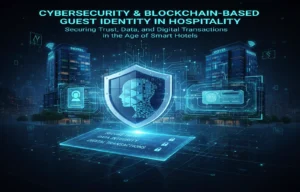
As hospitality becomes digitally connected, cybersecurity and data protection are paramount. Hotels store vast amounts of sensitive data—from payment details to personal preferences—making them prime targets for cyber threats. Future professionals must understand how to protect guest information, comply with privacy regulations (like GDPR), and maintain digital trust. Basic awareness of network security, phishing risks, and secure data handling will become mandatory at every organizational level. IT and operations teams will collaborate closely to ensure that smart rooms, IoT devices, and digital booking systems remain secure. For managers, cybersecurity also involves crisis readiness—knowing how to respond to breaches transparently and minimize reputational damage. Ethical data management, including consent-driven marketing and AI transparency, will define the next phase of digital hospitality. Guests increasingly choose hotels they can trust with their data; hence, professionals with cybersecurity awareness will not only protect the brand but also preserve guest confidence. In the hospitality world of tomorrow, trust is the ultimate currency—and cybersecurity is how it’s earned.