
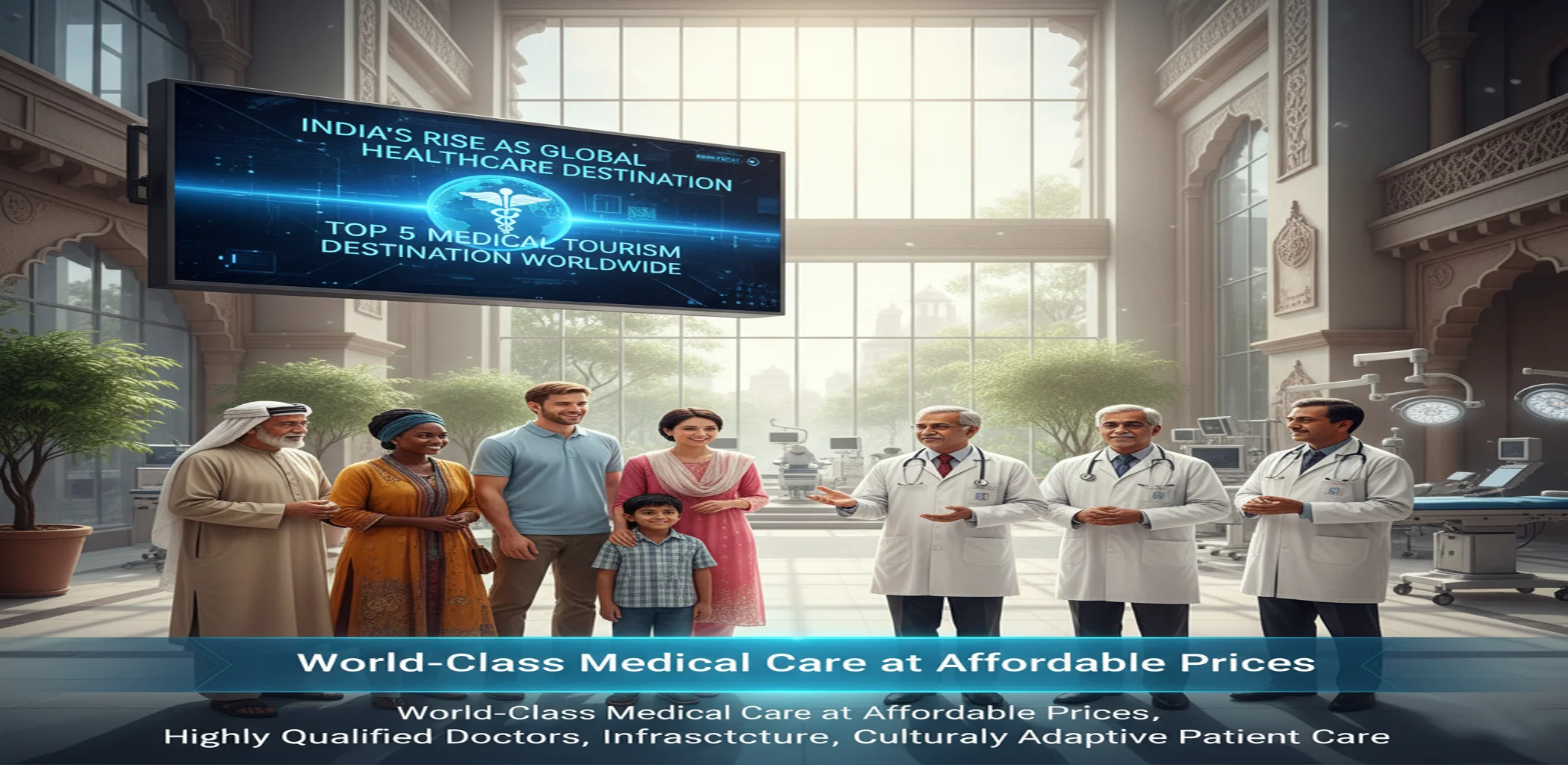
India’s Rise as a Global Healthcare Destination
Medical tourism in India has transformed from a niche trend into a multi-billion-dollar pillar of national services exports. Each year, hundreds of thousands of international patients—from the Middle East, Africa, Europe, the CIS region, North America, and Southeast Asia—travel to India seeking world-class medical care at affordable prices. India today is ranked among the top 5 medical tourism destinations in the world, known for its cost advantage, highly qualified doctors, advanced hospital infrastructure, and culturally adaptive patient care environment.
This growth is not accidental—it is the result of two decades of investment in private healthcare, medical technology adoption, the global reputation of Indian doctors, supportive government policies like the Ayush Visa, and comprehensive post-treatment rehabilitation options. Medical tourism now includes not only life-saving procedures, but also wellness tourism, preventive diagnostics, Ayurveda and holistic healing, and long-term recuperation programs, widening the country’s healthcare value chain.
Understanding Medical Tourism: Definitions and Dimensions
Medical tourism refers to travel across international borders to receive medical treatment. In India’s context, it spans multiple categories:
1. Curative / Clinical Medical Tourism
Includes major surgeries and medical procedures such as:
- Cardiac Bypass Surgery
Cardiac bypass surgery reroutes blood flow around blocked coronary arteries to restore proper heart function. India attracts global patients for this procedure due to high surgical success rates, advanced cardiac ICUs, skilled cardiothoracic surgeons, and significantly lower costs compared to Western healthcare systems.
- Angioplasty and Stenting
Angioplasty involves opening narrowed or blocked arteries using a balloon catheter, often followed by inserting a stent to keep the vessel open. Indian hospitals offer quick access, cutting-edge cath labs, and experienced interventional cardiologists, making it a preferred destination for rapid, cost-effective cardiac care.
- Organ Transplants (Kidney, Liver, Cornea)
India is a global hub for complex organ transplants thanks to stringent regulations, multidisciplinary transplant teams, and modern immunosuppression protocols. Kidney, liver, and corneal transplants are performed at specialized centres with high success rates, transparent donor evaluation, and comprehensive long-term follow-up care.
- Orthopedic Surgeries (Hip/Knee Replacement)
Orthopedic tourists visit India for hip and knee replacements that restore mobility and reduce chronic pain. Advanced prosthetics, robotic-assisted surgery, fast-track rehabilitation, and exceptional orthopedic surgeons make India a cost-efficient choice with excellent outcomes for joint replacement and musculoskeletal procedures.
- Neurosurgery
India performs sophisticated neurosurgeries—including brain tumor removal, spine stabilization, epilepsy surgery, and minimally invasive procedures. High-end neuro-navigation systems, intraoperative imaging, and expert neurosurgeons enable safe, precise interventions for conditions requiring advanced neurological and spinal care.
- Oncology Treatments
India offers comprehensive cancer care: precision diagnostics, chemotherapy, radiotherapy, immunotherapy, and targeted therapies. World-class cancer centres equipped with technologies like CyberKnife and proton therapy attract global patients seeking affordable, multidisciplinary oncology treatment with strong survivorship support programs.
- Cosmetic Surgery
Cosmetic and aesthetic procedures such as rhinoplasty, liposuction, facelifts, breast augmentation, and hair transplants draw patients to India. Skilled plastic surgeons, modern facilities, and competitive pricing allow individuals to access safe, high-quality cosmetic enhancement aligned with global standards.
- Bariatric Surgery
Bariatric surgery helps patients manage severe obesity through procedures like gastric bypass, sleeve gastrectomy, and gastric banding. India offers advanced laparoscopic techniques, experienced bariatric surgeons, and structured pre- and post-operative programs, making long-term weight loss treatment accessible and affordable.
- IVF and Reproductive Treatments
India is a leading fertility hub offering IVF, ICSI, egg freezing, donor programs, and advanced reproductive endocrinology. High success rates, well-regulated clinics, expert embryologists, and cost-effective treatment cycles attract couples seeking safe, ethical, and technologically advanced fertility solutions.
- Gastroenterology and Hepatology Interventions
Patients come to India for specialized digestive and liver care, including endoscopic procedures, liver disease management, and minimally invasive surgeries. Hepatology expertise, advanced imaging, and comprehensive transplant programs position India as a trusted centre for complex gastrointestinal disorders.
- Dental Tourism
Dental tourism in India delivers services like implants, crowns, smile design, root canals, and full-mouth rehabilitation at a fraction of global costs. Modern dental clinics, CAD/CAM technology, skilled dentists, and short treatment cycles make India ideal for affordable, high-quality dental care.
2. Wellness Tourism
Focused on preventive health and rejuvenation:
- Ayurveda Panchakarma Packages
Ayurveda panchakarma programs focus on detoxifying the body, balancing doshas, and restoring vitality through therapies like abhyanga, swedana, and basti. India’s authentic Ayurvedic centres offer personalized treatment plans, herbal formulations, and serene healing environments rooted in centuries-old wellness traditions.
- Yoga & Meditation Retreats
India’s yoga and meditation retreats provide structured programs to improve flexibility, mental clarity, and emotional balance. Set in peaceful ashrams, mountains, or coastal regions, these retreats blend guided practice, breathwork, mindfulness training, and yogic philosophy for holistic well-being and spiritual rejuvenation.
- Spa Therapies
Spa tourism in India combines global spa techniques with Indian wellness traditions. Visitors enjoy massages, hydrotherapy, aromatherapy, and beauty treatments in luxury resorts and wellness centres. These therapies promote relaxation, stress relief, better sleep, and rejuvenation, offering a refreshing escape from daily pressures.
- Holistic Wellness Treatments
Holistic wellness programs integrate Ayurveda, naturopathy, yoga, nutrition, and lifestyle coaching to support total mind-body balance. These treatments aim to correct lifestyle disorders, boost immunity, and enhance long-term wellness, making India a leading destination for personalised, preventive, and restorative health journeys.
- Mental Health and Detoxification Stays
Detox and mental wellness retreats in India combine psychotherapy, mindfulness, dietary detox, yoga, and nature-based therapy. These programs help manage stress, anxiety, burnout, and addiction while promoting emotional resilience. Scenic, calm settings support deep healing and long-term mental well-being.
3. Integrative / Traditional Medicine Tourism
India’s unique strength:
- Ayurveda
Ayurveda attracts global visitors seeking natural healing through personalized treatments based on dosha balance. Therapies include herbal medicines, panchakarma detox, lifestyle changes, and dietary guidance. India’s accredited Ayurvedic hospitals offer science-backed protocols blending tradition with modern diagnostic support.
- Siddha
Siddha medicine, rooted in ancient Tamil traditions, focuses on restoring harmony between body, mind, and environment through herbal, mineral, and lifestyle-based therapies. International patients visit Siddha centres for chronic disease management, pain relief, skin disorders, and rejuvenation therapies grounded in ancient yogic philosophy.
- Unani
Unani medicine emphasizes humoral balance and holistic healing using herbal formulations, cupping, massage, diet regulation, and detox methods. Many global visitors seek Unani care for chronic ailments, metabolic disorders, and reproductive health. India’s well-established Unani institutes ensure authentic, regulated treatment experiences.
- Naturopathy
Naturopathy centres in India offer drug-free healing through diet therapy, hydrotherapy, fasting, mud therapy, and lifestyle modification. Patients increasingly choose India for preventive wellness, detoxification, metabolic disorder management, and stress reduction within natural, eco-friendly facilities designed to promote self-healing.
- Homeopathy
Homeopathy is widely practiced in India, attracting international patients seeking gentle, non-invasive treatment for chronic conditions, allergies, autoimmune issues, and pediatric care. India’s homeopathic hospitals and expert practitioners offer individualized remedies aimed at stimulating the body’s natural healing response.
- Yoga-Based Therapy
Yoga therapy uses structured postures, breathwork, meditation, and relaxation techniques to treat physical and psychological conditions. India’s clinical yoga centres integrate modern medicine with yogic science to address issues like anxiety, hypertension, back pain, and lifestyle disorders, supporting holistic and lasting wellness.
4. Long-Term Rehabilitation Tourism
- Stroke Recovery
India’s stroke rehabilitation centres offer intensive physiotherapy, speech therapy, occupational therapy, and neuro-cognitive training to help patients regain mobility and independence. Advanced robotic rehab systems, personalized recovery plans, and affordable long-stay programs attract global patients seeking comprehensive post-stroke healing.
- Orthopedic Rehabilitation
Orthopedic rehab supports recovery after fractures, joint replacements, spinal surgeries, and sports injuries. India provides structured programs combining physiotherapy, hydrotherapy, gait training, and functional mobility exercises. Skilled therapists and modern equipment enable faster recovery, making long-term orthopedic rehab highly cost-effective.
- Post-Oncology Recovery
Post-cancer rehabilitation in India focuses on restoring strength, immunity, and emotional well-being after surgery, radiation, or chemotherapy. Programs include nutritional therapy, physiotherapy, lymphedema management, psychological counseling, and yoga-based healing, helping patients transition safely back to daily life and long-term survivorship.
- Cardiac Rehabilitation
India’s cardiac rehab centres support patients recovering from bypass surgery, angioplasty, heart attacks, or chronic cardiac issues. Programs combine monitored exercise, lifestyle coaching, nutrition planning, stress reduction, and risk management. These structured, multidisciplinary services improve heart function and long-term cardiovascular health.
- Pain Management
Pain management tourism brings patients seeking relief from chronic pain, arthritis, neuropathy, and post-surgical discomfort. India offers multidisciplinary approaches including physiotherapy, Ayurveda, medication management, nerve blocks, and minimally invasive pain procedures, providing personalized, sustainable solutions for long-term comfort.
Each of these domains interacts with India’s healthcare ecosystem, creating a diverse and robust supply landscape for medical tourists.
Why India? Key Drivers Behind the Boom
1. Affordability Without Compromise
India delivers world-class medical care at 30–70% lower costs due to efficient private hospitals, lower labour expenses, and high patient volumes. Procedures like heart bypass, knee replacement, and IVF are dramatically cheaper—often 4–8 times—while maintaining advanced technology, global standards, and excellent clinical outcomes.
2. Global Reputation of Indian Doctors
India’s doctors are globally respected for their strong clinical expertise, international fellowships, and vast experience handling complex cases. Many have trained or practiced abroad, bringing global standards back to India. Their high success rates and evidence-based approach inspire trust among international patients.
3. Advanced Hospital Infrastructure
India’s top hospitals feature cutting-edge technology—robotic surgery, CyberKnife, proton therapy, advanced ICUs, AI-enabled diagnostics, and modular operating rooms. With numerous JCI- and NABH-accredited facilities, patients receive global-standard care supported by multidisciplinary teams and modern medical equipment.
4. Faster Medical Access
India offers minimal waiting times for surgeries and diagnostics, allowing patients to receive treatment within days rather than months. Dedicated international patient departments streamline scheduling, consultations, and procedures, ensuring quick, coordinated, and efficient medical care without delays common in many countries.
5. Holistic Healing Advantage
India uniquely blends modern medicine with traditional healing such as Ayurveda, yoga, and naturopathy. This integrative approach supports both clinical treatment and emotional well-being, offering patients a complete healing experience—especially beneficial for chronic illnesses, rehabilitation, and long-term lifestyle transformation.
6. English-Speaking Ecosystem
English is widely spoken by doctors, nurses, and medical staff, reducing communication barriers for global patients. Hospitals also offer Arabic, Russian, French, and African-language interpreters. This multilingual, patient-friendly environment ensures clarity in diagnosis, treatment discussions, consent, and follow-up care.
7. Supportive Government Policies
India’s government promotes medical tourism through medical visas, medical attendant visas, Ayush visas, and fast-track e-visa approval. Dedicated immigration counters, quality accreditation bodies, and regulatory frameworks for transplants and clinical care strengthen India’s position as a safe, structured international treatment hub.
The affordability stems from labour cost advantages, economies of scale, and competitive private healthcare.
Key Source Markets for India
India attracts patients from more than 160 countries. The largest contributors are:
1. South Asia
Patients from Bangladesh, Nepal, Sri Lanka, and Afghanistan form the largest share due to geographic proximity, cultural familiarity, and limited advanced healthcare at home. India offers affordable, high-quality treatment, especially for cardiac, oncology, orthopedic, and fertility care, making it their preferred destination.
2. Middle East & Gulf Countries
Countries like Oman, UAE, Iraq, Yemen, and Saudi Arabia rely on India for specialized surgeries and chronic disease management. Patients value India’s advanced technology, English-speaking doctors, faster access, and cost advantages compared to Western care, especially for complex cardiac, oncology, and transplant procedures.
3. Africa
Nigeria, Kenya, Tanzania, Ethiopia, Sudan, Ghana, and Uganda send large numbers of patients seeking reliable diagnostics, major surgeries, maternal care, and advanced treatments unavailable or expensive locally. Transparent pricing, strong clinical outcomes, and dedicated Africa-focused patient services strengthen India’s appeal across the continent.
4. CIS Countries
Uzbekistan, Kazakhstan, Russia, Kyrgyzstan, and Turkmenistan choose India for high-end surgeries, cosmetic procedures, and rehabilitation. Language support, competitive pricing, and strong outcomes drive demand. India’s warm hospitality and tailored medical concierge services also make treatments accessible to CIS-region travellers.
5. Western Markets
Patients from the US, UK, Canada, and Australia primarily travel for elective, dental, cosmetic, IVF, or uninsured procedures. India offers globally accredited hospitals, skilled surgeons, and substantial cost savings. Long waiting times in home countries further encourage medical travellers to choose India.
6. East Asia & Southeast Asia
Myanmar, Malaysia, and Indonesia increasingly send patients for cardiac, oncology, orthopedics, and integrative wellness care. Strong flight connectivity, cultural comfort, and India’s reputation for skilled specialists enhance its attractiveness. Many seek second opinions and complex surgeries at India’s tertiary-care hospitals.
Diversity Advantage
India’s wide geographic spread of source markets—from South Asia and Africa to the Gulf, CIS, and Western nations—creates a resilient medical tourism ecosystem. This diversity protects the industry from regional downturns and ensures steady demand across specialties and treatment categories.
Popular Medical Specialities for International Patients
1. Cardiology & Cardiac Surgery
India’s cardiac procedures are among the most sought-after globally due to:
- High success rates
- Cutting-edge technology
- Affordable complex surgeries
- Integrated cardiac rehab programs
2. Oncology (Cancer Treatment)
India offers:
- Immunotherapy
- Targeted therapy
- Proton beam therapy
- Advanced radiation oncology
- Organ-specific cancer programs
3. Orthopedics & Joint Replacement
Major demand comes from:
- Knee replacement
- Hip replacement
- Spine surgery
- Arthroscopic procedures
Hospitals have dedicated robotic and minimally invasive ortho units.
4. Organ Transplants
India performs thousands of:
- Kidney transplants
- Liver transplants
- Bone marrow transplants
- Corneal transplants
Strict regulatory protocols ensure safety and legality.
5. IVF and Fertility Treatments
India is a global hub for:
- Assisted reproductive technology (ART)
- IVF
- ICSI
- Egg freezing
- Donor programs
Success rates are competitive with the best international centres.
6. Cosmetic & Aesthetic Surgery
Popular for:
- Rhinoplasty
- Hair transplant
- Liposuction
- Facelift
- Breast surgery
Competitive pricing and medical expertise drive demand.
7. Dentistry
High demand for:
- Dental implants
- Full-mouth rehabilitation
- Cosmetic dentistry
- Teeth whitening
8. Gastroenterology & Hepatology
- Liver disease management
- Endoscopic procedures
- Bariatric surgery
9. Neurosurgery
India excels in:
- Brain tumour surgery
- Epilepsy surgery
- Spine surgery
- Deep brain stimulation
The Patient Journey in Medical Tourism
A typical international patient experiences a multi-stage process:
1. Pre-Arrival Consultation
- Sharing medical reports
- Virtual consultations
- Treatment plan estimates
- Visa assistance documentation
2. Travel & Arrival Coordination
- Airport pickup
- Dedicated case manager
- Medical translator assignment
3. Clinical Diagnosis & Treatment
- On-ground diagnostics
- Doctor consultations
- Treatment or surgery
- Daily progress reports
4. Post-Treatment Care
- Physiotherapy
- Rehabilitation
- Nursing care
5. Discharge & Departure
- Fit-to-fly certificate
- Post-discharge medication plan
- Teleconsultation schedule
6. Long-Term Follow-Up
Most hospitals provide:
- WhatsApp support
- Telemedicine reviews
- Periodic report monitoring
Economics of Medical Tourism in India
1. Market Size
- Currently USD 7–9 billion
- Expected to touch USD 13–15 billion by 2028
2. Cost Structure Advantage
India’s cost benefits arise from:
- Lower operational costs
- Scalable healthcare ecosystem
- Competitive labour markets
- Technology investments
3. Value Chain Beneficiaries
- Hospitals
- Doctors
- Pharma companies
- Diagnostics labs
- Hotels & recovery centres
- Medical facilitators
- Airlines
- Local tourism economy
4. Employment Generation
Healthcare + wellness tourism supports millions of direct and indirect jobs:
- Medical staff
- Therapists
- Hospitality professionals
- Patient coordinators
Major Medical Tourism Hubs in India
1. Delhi NCR
Specialties:
- Cardiology
- Transplants
- Oncology
- Orthopedics
- IVF
Major Hospital Groups:
- Fortis
- Apollo
- Max Healthcare
- Medanta
2. Mumbai & Pune
Strengths:
- Oncology
- Cardiac sciences
- Cosmetic surgery
- Organ transplants
3. Bengaluru
Known for:
- Neurology
- Robotic surgeries
- Orthopedics
- Medical research
4. Chennai
Traditionally known as the “Healthcare Capital of India”:
- Organ transplants
- Cardiology
- Fertility treatments
5. Hyderabad
- Oncology
- Gastroenterology
- Bariatric surgery
6. Kerala
- Ayurveda tourism
- Wellness and rejuvenation
7. Goa & Uttarakhand
- Wellness, detox, yoga, naturopathy
The Role of Traditional Medicine in Medical Tourism
One of India’s greatest advantages—as both a global health destination and a wellness powerhouse—is its ability to seamlessly blend modern allopathic medicine with ancient traditional systems such as Ayurveda, Yoga, Naturopathy, Siddha, and Unani. This combination creates a holistic health ecosystem that appeals not just to medical travellers seeking surgeries or complex treatments, but also to wellness tourists looking for prevention, detoxification, rejuvenation, and long-term lifestyle transformation.
India’s traditional medicine heritage sits under the Ministry of AYUSH (Ayurveda, Yoga & Naturopathy, Unani, Siddha, and Homeopathy), which has helped convert local knowledge into globally recognized, structured treatment programs. As international awareness of preventive healthcare, mental well-being, and natural therapies increases, India’s AYUSH sector has become one of the strongest pillars of the medical tourism industry.
1. Ayurveda
Ayurveda is one of the world’s oldest holistic healing systems, originating in India over 5,000 years ago. It focuses on balancing the body’s doshas—Vata, Pitta, and Kapha—to maintain health and treat illnesses at their root cause rather than only addressing symptoms. For medical tourists, Ayurveda offers a compelling alternative to pharmaceutical-heavy treatment systems, especially for chronic lifestyle diseases that require long-term management.
International travellers seek Ayurveda primarily for:
• Detox Programs (Shodhana Therapy)
Many global tourists come specifically for structured detoxification programs using Ayurveda’s cleansing therapies. These programs typically last from 7 to 28 days and involve herbal medications, therapeutic sweating, massages, and guided diets to purify the body of accumulated toxins. As concerns about pollution, stress, chemical exposure, and poor lifestyle habits rise worldwide, detoxifying Ayurvedic programs are increasingly viewed as a natural health reset.
• Panchakarma
Panchakarma—considered the crown jewel of Ayurvedic treatment—is a deep therapeutic cleansing process involving five primary procedures. Its increasing popularity among foreign patients stems from its evidence-backed ability to support immunity, reduce inflammation, improve metabolic health, and address chronic disorders such as arthritis, psoriasis, migraines, and digestive problems. Many tourists plan multi-week retreats combining Panchakarma with Yoga, meditation, and curated diet plans.
• Anti-Stress Therapy & Rejuvenation
Burnout, anxiety, and stress-induced disorders are pushing travellers from Europe, the Gulf, and the US toward India’s traditional wellness retreats. Ayurveda’s anti-stress packages integrate herbal therapies, aroma treatments, Abhyanga massages, Shirodhara, and lifestyle counseling. Kerala, Karnataka, Rishikesh, and Goa host numerous accredited wellness resorts offering holistic rejuvenation that is difficult to replicate elsewhere.
• Musculoskeletal Treatments
Patients suffering from osteoarthritis, cervical spondylosis, sports injuries, and chronic back pain often choose Ayurveda when allopathic treatments offer limited relief. Ayurvedic musculoskeletal therapies—including Kati Vasti, Podikizhi, Elakizhi, and medicated steam—provide non-invasive alternatives with long-term benefits. Many international athletes also visit India for recovery programs.
2. Yoga & Meditation
India is globally acknowledged as the birthplace of Yoga and a center for authentic mind-body wellness practices. The rise in mental health awareness, corporate stress, and lifestyle diseases has made Yoga an integral component of global wellness tourism. Unlike recreational Yoga available in many countries, India offers lineage-based, classical training taught by certified masters.
International tourists seek India for:
• Authentic Yoga Schools
Cities such as Rishikesh (the “Yoga Capital of the World”), Mysuru, Pune, Varanasi, and Dharamshala host world-renowned Yoga schools offering teacher training programs, therapeutic Yoga modules, and personalized wellness retreats. Many visitors arrive for advanced-level courses that combine pranayama, asanas, kriyas, and yogic philosophy—training that is difficult to obtain elsewhere with the same level of purity.
• Ashram Retreats
A significant portion of wellness tourists prefer ashram-based experiences that focus on discipline, meditation, spiritual inquiry, and detoxification from digital and urban life. Ashrams offer structured itineraries, sattvic diets, guided prayers, and meditation techniques that attract tourists from Europe, North America, Russia, and East Asia seeking mental clarity and emotional healing.
• Mind-Body Therapy
Increasingly, people travel to India for Yoga therapy, which applies Yoga’s principles for managing chronic illnesses such as hypertension, diabetes, anxiety disorders, PCOS, and asthma. Yoga therapy is often prescribed alongside Ayurvedic treatments to maximize therapeutic outcomes. Hospitals, wellness centers, and integrative clinics now offer specialized modules combining Yoga with modern physiotherapy and psychological counseling.
3. Ayurveda + Allopathy Integration
One of India’s most promising trends in medical tourism is the integration of AYUSH therapies with modern allopathic treatment, offering patients the best of both worlds. This approach is especially effective in managing chronic or complex conditions where a single system alone may not deliver optimal results.
Major hospitals—especially in Kerala, Delhi NCR, Bengaluru, and Mumbai—have established AYUSH departments or alliances with leading Ayurvedic institutions. Integrative healthcare attracts international travellers for:
• Integrative Oncology
Many cancer patients explore Ayurveda for supportive care alongside mainstream oncology. Ayurvedic therapies assist in alleviating chemotherapy side-effects, improving appetite, reducing fatigue, and enhancing immunity. Specialized integrative oncology programs also include Yoga therapy, meditation, dietary counseling, and stress management—helping improve patient quality of life throughout the cancer journey.
• Diabetes & Metabolic Syndrome Management
India’s integrative diabetes programs combine modern endocrinology with Ayurvedic herbs, Panchakarma detoxification, Yoga therapy, and customized diets. This blended approach helps patients improve insulin sensitivity, reduce medication dependence, and adopt long-term lifestyle modifications. Patients from the Gulf, East Africa, and Southeast Asia increasingly travel for such holistic chronic disease management.
• Chronic Pain Management
For back pain, arthritis, fibromyalgia, migraines, and neuropathic pain—conditions where allopathic treatments often rely heavily on painkillers—AYUSH systems offer natural, sustainable alternatives. Hospitals now provide integrated pain clinics combining Ayurveda, physiotherapy, acupuncture, Yoga therapy, and modern diagnostics. This synergy attracts medical tourists seeking non-invasive, drug-free relief.
Why Traditional Medicine Enhances India’s Position in Global Medical Tourism
The inclusion of Ayurveda and Yoga in mainstream wellness and healthcare offerings has widened India’s medical tourism appeal far beyond surgical or hospital-based treatments. Key advantages include:
- Natural and preventive approach valued by global travellers
- Lower costs and longer treatment cycles compared to Western wellness centers
- Experienced practitioners and internationally accredited institutions
- Integration with modern medicine, enhancing therapeutic outcomes
- Rich cultural experience, adding value to the treatment journey
- High trust in Ayurveda and Yoga worldwide, boosted by research, standardization, and global AYUSH outreach
Together, these systems position India not only as a destination for curing illness, but also for preventing disease, managing chronic conditions, enhancing mental well-being, and promoting long-term health transformation.
Government Policies, Visa Reforms & Regulation
India’s rise as a global medical value destination has been supported not only by high-quality healthcare institutions, but also by a comprehensive regulatory and policy framework designed to improve patient safety, streamline medical travel, and promote global confidence. Over the past decade, the Indian government has introduced specialized visas, strengthened accreditation systems, and implemented strict regulatory mechanisms to ensure ethical, transparent, and patient-centric medical tourism. This supportive environment has allowed India to attract patients from over 160 countries while ensuring international standards of care.
1. Medical Visa (M-Visa)
The Introduction of the dedicated Medical Visa (M-Visa) has been one of the most critical government interventions enabling seamless medical travel. This visa category is specifically designed for foreign nationals seeking advanced medical treatment in recognized and accredited healthcare institutions across India.
Key features include:
• Triple Entry Facility
Medical conditions often require multiple visits—diagnosis, treatment, follow-up reviews, or postoperative care. The triple entry facility allows patients to travel freely without applying for a new visa each time. This makes India especially attractive for long-duration therapies like oncology, organ transplants, cardiac rehabilitation, orthopedics, and fertility treatments.
• Long Duration Validity
The medical visa typically allows stays of up to one year, depending on the nature of treatment. Extensions can be granted on medical grounds based on doctor recommendations. This is especially beneficial for complex procedures that require multiple months of recovery, rehabilitation, or continuous monitoring.
• Fast-Track Processing
Recognizing the urgency of medical needs, Indian missions abroad prioritize medical visa applications. Fast-track approval is especially helpful for patients coming from Africa, the Middle East, SAARC countries, and CIS nations who often need emergency or immediate treatment.
Special counters at immigration ports further ensure quick movement for medical travellers.
Overall, the M-Visa system has helped position India as a patient-friendly destination where administrative processes do not delay access to life-saving care.
2. Medical Attendant Visa (MX-Visa)
No medical journey is complete without support. Understanding the emotional and logistical needs of patients, the Government of India introduced the Medical Attendant Visa (MX-Visa).
Key characteristics include:
• For Up to Two Attendants
Each medical visa holder can be accompanied by up to two attendants, usually family members. This ensures patient comfort, especially in cases involving elderly patients, children, or individuals undergoing major surgeries and long-term treatments.
• Same Duration as the Patient’s Visa
The attendant visa mirrors the validity of the patient’s M-Visa, allowing attendants to stay throughout the treatment and recovery process.
• Hassle-Free Approvals
MX-Visas are processed alongside the main medical visa to avoid delays. This patient-supportive policy has been especially beneficial for travellers from SAARC, Gulf countries, and Africa, where family involvement in care is culturally essential.
Together, the M-Visa and MX-Visa framework creates a supportive ecosystem for foreign patients, making India a highly accessible treatment destination.
3. AYUSH Visa (Ayush Visa)
With the growing demand for traditional wellness, preventive care, and natural therapies, India introduced the AYUSH Visa, further widening the spectrum of medical travel. This visa is exclusively dedicated to travellers seeking authentic treatments in India’s indigenous medical systems.
The AYUSH Visa covers:
• Ayurveda
Visitors come for Panchakarma, detox therapies, joint treatments, metabolic disease management, and rejuvenation programs.
• Yoga
Used for therapeutic yoga, mental health retreats, Yoga teacher training courses, and stress-relief programs.
• Siddha
A traditional South Indian healing science known for chronic disease management and specialty herbal formulations.
• Unani
Popular among travellers from the Middle East and CIS for its holistic herbal and natural remedies.
• Homoeopathy Treatments
India is a global hub for homeopathy, attracting patients seeking long-term, non-invasive treatment solutions.
The AYUSH Visa not only supports wellness tourism but also strengthens India’s position as a global center for holistic and preventive healthcare. It allows longer stays for therapies that require structured, multi-week treatment cycles.
4. National Accreditation Board for Hospitals & Healthcare Providers (NABH)
Quality assurance is one of the cornerstones of India’s medical tourism credibility. The National Accreditation Board for Hospitals & Healthcare Providers (NABH) operates under the Quality Council of India (QCI) and ensures that medical institutions meet global healthcare standards.
• Clinical Quality
NABH accreditation evaluates hospitals on stringent parameters covering patient rights, infection control, clinical outcomes, medication safety, emergency protocols, and staff qualifications. Accredited hospitals are recognized globally, improving patient trust.
• Patient Safety
International patients expect reliable, safe treatment environments. NABH mandates regular audits, safety training, equipment testing, and adherence to evidence-based practices. This makes India a competitive alternative to Western health systems.
• Standardization
NABH standardizes procedures across hospitals—ensuring uniform care delivery whether a patient is treated in Delhi, Mumbai, Bengaluru, Chennai, Hyderabad, or Kochi.
Additionally, Ayurveda, Naturopathy, and Yoga centers can also obtain NABH AYUSH accreditation, further improving the credibility of India’s wellness tourism sector.
The strong presence of NABH-accredited institutions significantly enhances India’s global medical tourism brand.
5. Organ Transplant Regulation
Organ transplantation is one of the most sensitive areas of medical practice, and India has put in place robust regulatory mechanisms under the Transplantation of Human Organs and Tissues Act (THOTA).
The regulatory framework ensures:
• Ethical Protocols
India follows strict guidelines to prevent organ trafficking, commercial dealings, and unethical practices. Only registered transplant hospitals are authorized to perform procedures, and all activities are monitored by central and state authorities.
• Donor Verification
Every donor—living or deceased—is subject to thorough verification, identity checks, medical compatibility screening, and documentation to ensure legitimacy.
For foreign nationals, additional scrutiny ensures compliance with origin-country regulations.
• Government Authorization Committees
Independent Authorization Committees evaluate every organ transplant request, especially for living donors. They assess relationship proof, intent, medical necessity, and the absence of financial motives.
This layer of governance ensures transparency, ethics, and accountability.
India’s robust transplant regulatory system has helped build international confidence, allowing patients from abroad to access life-saving organ procedures while maintaining the highest ethical standards.
India’s policy ecosystem—consisting of specialized visas, strong accreditation standards, digital governance, and strict regulatory mechanisms—creates a transparent, patient-friendly environment. These reforms have not only streamlined the medical travel process but also reinforced India’s reputation as a safe, ethical, and world-class medical tourism destination. Together, they form the backbone of India’s medical value travel industry, enabling sustainable growth and global leadership.
Technology Transforming Medical Tourism
Technology has become one of the strongest pillars of India’s medical tourism ecosystem. While affordability and clinical expertise remain key drivers, it is the rapid technological adoption across hospitals, diagnostics, and patient management that elevates India into the league of advanced global healthcare hubs. Modern medical travellers expect precision, speed, transparency, and seamless communication—areas in which technology plays a transformative role. From teleconsultations and AI-powered diagnostics to robotics, digital health records, and immersive rehabilitation tools, India’s hospitals are integrating next-generation technologies to improve patient experience and clinical outcomes.
1. Telemedicine: Connecting Patients Across Borders
Telemedicine has revolutionized the way international patients interact with Indian healthcare providers. It eliminates geographical barriers, accelerates decision-making, and enables continuity of care long after a patient returns home.
• Pre-Arrival Consultation
Before traveling, patients can connect with Indian specialists to discuss their medical condition, understand treatment options, share diagnostic reports, and receive estimated costs. This not only boosts patient confidence but also allows hospitals to prepare personalized treatment plans in advance.
• Post-Discharge Follow-Up
After returning home, international patients require continued guidance for healing, medication adjustments, physiotherapy, and lifestyle support. Telemedicine platforms enable scheduled virtual checkups, reducing the need for repeated travel and ensuring safe recovery. Hospitals use secure video conferencing and digital monitoring tools to track progress remotely.
• Chronic Disease Management
Patients with chronic cardiac, endocrine, neurological, or cancer-related conditions often require long-term follow-up. Telemedicine bridges the gap by providing digital monitoring, remote consultation, and medical advice, making India an attractive long-term treatment partner for patients worldwide.
The success of telemedicine has greatly enhanced India’s medical tourism value proposition, making care more accessible, customized, and continuous.
2. AI & Machine Learning: Precision, Predictive Care, and Faster Diagnosis
Artificial Intelligence (AI) and Machine Learning (ML) are reshaping clinical decision-making in Indian hospitals. They help doctors diagnose faster, predict risks, and personalize treatment plans—critical factors for international patients who often seek accuracy and speed.
• Radiology
AI-powered imaging systems can detect anomalies in X-rays, CT scans, and MRIs with exceptional accuracy. They assist radiologists in identifying early signs of cancer, fractures, neurological disorders, and cardiac abnormalities. This reduces turnaround time and ensures faster treatment initiation for medical travellers.
• Oncology Planning
AI helps map tumor progression, calculate radiation doses, and design personalized chemotherapy regimens. Predictive analytics allows oncologists to anticipate treatment response, minimize side effects, and improve survival rates. This precision-driven approach gives India a competitive advantage in advanced oncology care.
• Risk Scoring
AI-based algorithms analyze patient history, lab results, and imaging data to calculate risk scores for complications during surgery or hospital stays. Early risk detection enables preventive measures, making treatment safer for international patients with complex conditions.
• Treatment Personalization
Machine learning models evaluate lifestyle, genetics, biomarkers, and clinical data to tailor medical plans for each patient. Personalized medicine improves outcomes across cardiology, nephrology, fertility, diabetes, and chronic care—key areas in which medical tourists seek high-value treatments.
AI’s integration into standard medical workflows positions India as a forward-looking healthcare destination with global competitiveness.
3. Robotics & Minimally Invasive Surgery: Precision With Faster Recovery
Robotic-assisted surgery is transforming operational precision and postoperative outcomes in Indian hospitals. It has become a major attraction for international patients seeking cutting-edge technology at affordable costs.
• Reduced Hospital Stay
Robotic and minimally invasive surgeries use small incisions, leading to minimal blood loss and faster wound healing. Patients often return to normal activity sooner, allowing medical tourists to shorten their travel duration and reduce overall costs.
• Reduced Pain
Smaller incisions and precise movements mean significantly less postoperative pain. This is especially beneficial for elderly patients or those undergoing orthopedics, gynecology, urology, or gastrointestinal surgeries.
• Faster Recovery Time
Advanced robotic systems—such as the Da Vinci Surgical System—offer high-definition visualization and precision, resulting in fewer complications, quicker rehabilitation, and better long-term outcomes. For medical tourists, this ensures they can safely travel back home soon after surgery.
Robotic surgeries have become a cornerstone of India’s value-driven healthcare approach, offering global-level sophistication at a fraction of international prices.
4. Digital Health Records: Seamless Data Sharing and Continuity of Care
Digital Health Records (DHRs) eliminate one of the biggest challenges international patients face: the complexity of managing medical documentation.
Indian hospitals have widely adopted electronic medical record (EMR) systems, creating a smooth, organized, and transparent data flow.
Key Benefits for Medical Tourists:
- Easy sharing of scans, lab reports, and surgical notes with doctors across continents.
- Reduced duplication of diagnostics, saving time and cost.
- Improved accuracy as doctors have access to complete patient histories.
- Enhanced security, with encrypted systems protecting sensitive medical information.
DHRs ensure that care continues uninterrupted even after patients return home, supporting long-term monitoring and telemedicine follow-ups.
5. Virtual Reality (VR) in Rehabilitation: Redefining Recovery
Virtual Reality has emerged as an innovative tool in post-treatment rehabilitation, providing immersive therapy experiences that accelerate healing and improve engagement.
• Neurological Therapy
VR-based exercises help patients recover lost motor skills after traumatic brain injuries, neurological disorders, or degenerative diseases. Interactive simulations stimulate brain plasticity and enhance cognitive function.
• Stroke Rehabilitation
Patients recovering from stroke engage in VR-guided tasks that help rebuild mobility, balance, and coordination. The gamified nature of VR makes therapy more enjoyable and effective.
• Pain Management
VR can distract the brain from pain signals, helping patients experiencing chronic pain, postoperative discomfort, or anxiety. Combined with physiotherapy, it accelerates recovery and improves quality of life.
VR-based rehab is increasingly being adopted in India’s specialty hospitals, giving medical tourists access to modern, non-invasive therapeutic methods.
Technology plays a transformative role in shaping India’s medical tourism ecosystem. Telemedicine strengthens global connectivity, AI brings precision to diagnosis, robotics enhances surgical excellence, digital health records ensure seamless care, and virtual reality elevates rehabilitation. Together, these innovations reinforce India’s position as a technologically advanced healthcare destination that delivers world-class, patient-centric, and future-ready medical care.
Marketing of Medical Tourism
The success of India’s medical tourism sector is not only driven by clinical excellence and affordability but also by strategic marketing efforts that position India as a trusted global healthcare destination. With patients researching treatments online, comparing countries, evaluating doctors, and seeking transparent information, effective marketing has become essential for hospitals, government bodies, facilitators, and tourism operators. India’s marketing approach blends digital outreach, international partnerships, government support, and reputation-building through patient experiences. Together, these efforts ensure visibility across global markets and help India stand out in an increasingly competitive international healthcare landscape.
1. Hospital Websites: Digital Front Doors for Global Patients
Hospital websites are among the most powerful marketing tools for medical tourism. They serve as a global gateway, offering international patients clear, trustworthy, and comprehensive information.
Key functions of effective hospital websites:
- Detailed treatment pages explaining procedures, techniques, success rates, and expected outcomes.
- Doctor profiles showcasing qualifications, international training, specialization areas, and experience in handling global patients.
- Transparent pricing estimates that help patients evaluate affordability and compare costs with other countries.
- Dedicated international patient departments (IPD) pages outlining visa assistance, airport pick-up services, accommodation support, interpreters, and care coordinators.
- Multilingual content for audiences from Africa, CIS, the Middle East, SAARC nations, and Southeast Asia.
- Online contact forms and chatbots enabling quick communication with global patients.
An optimized, informative, and user-friendly website builds confidence, reduces uncertainty, and acts as the first touchpoint in the patient’s decision-making journey.
2. Medical Tourism Facilitators: The Bridge Between Patients and Hospitals
Medical tourism facilitators—also called medical value travel agencies—play a crucial role in connecting patients with the right hospitals, specialties, and doctors. Many international patients rely on facilitators because they lack knowledge about India’s healthcare landscape or need personalized guidance.
Functions of medical tourism facilitators:
- Initial medical assessment, helping patients upload reports and understand suitable treatment options.
- Shortlisting hospitals based on cost, location, specialization, and past patient experience.
- Coordinating teleconsultations with specialists before the patient travels.
- Arranging visa invitation letters, travel assistance, and logistics.
- Negotiating treatment packages, sometimes securing discounted rates for patients.
- Providing interpreters, cultural support, and concierge services on arrival.
- Post-treatment coordination, including follow-up calls and report sharing.
Facilitators have strong networks across Africa, the Gulf, CIS, Southeast Asia, and the SAARC region, making them key influencers in the patient decision chain.
3. Embassies and Consulate Support: Diplomacy Meets Healthcare
Embassies and consulates play a subtle but vital role in marketing Indian medical services abroad.
India’s diplomatic missions often act as information centers, promoting India’s medical strengths through:
Key activities:
- Providing verified lists of accredited hospitals to citizens of the host country.
- Issuing medical visas promptly in urgent cases.
- Conducting medical tourism roadshows, health expos, and India-specific healthcare seminars.
- Connecting hospitals with foreign governments seeking specialized treatments for their citizens.
- Promoting AYUSH systems such as Ayurveda, Yoga, Siddha, and Unani in wellness-focused countries.
Embassy-level credibility increases global trust, especially in regions where healthcare marketing needs stronger regulatory backing.
4. Google & Social Media Campaigns: Reaching Patients Where They Search
Today’s medical tourists are digital-first. They research symptoms, compare countries, and study treatment outcomes online before contacting hospitals.
This makes digital marketing a core pillar of India’s medical tourism strategy.
Key digital outreach methods:
• Google Ads & SEO
Hospitals invest in targeted search ads for treatments such as knee replacement, cardiac bypass, IVF, liver transplant, cosmetic surgery, and oncology care. High-ranking content builds authority and drives inbound leads.
• Social Media Marketing
Platforms like Facebook, Instagram, YouTube, and TikTok allow hospitals to showcase:
- doctor explainers
- patient success stories
- 3D treatment animations
- wellness and Ayurveda programs
These platforms reach audiences across Africa, the Middle East, CIS, and Southeast Asia.
• WhatsApp & Messenger Marketing
Since many prospective patients prefer instant messaging, hospitals maintain multilingual teams who respond quickly with estimates, treatment details, and appointment slots.
Digital channels create visibility, build trust, and ensure that India competes effectively with destinations like Thailand, Turkey, Singapore, and Malaysia.
5. Patient Testimonial Videos: The Most Powerful Trust-Builders
Authentic patient stories are among the strongest marketing tools in medical tourism. Hearing real experiences from people of similar cultural backgrounds provides reassurance to prospective patients.
Why testimonial videos are impactful:
- They showcase real outcomes and explain treatment journeys in the patient’s own words.
- They help international patients overcome fear, uncertainty, and misconceptions.
- They humanize the hospital and its doctors.
- They act as social proof, which is extremely influential in healthcare decisions.
- They resonate strongly in Africa, CIS, Bangladesh, Nepal, and the Middle East, where word-of-mouth plays a major role.
Hospitals often create culturally tailored videos in Arabic, French, Russian, Bengali, and Swahili to reach wider audiences.
6. Treatment Packages and Price Transparency: Building Confidence Through Clarity
Medical travellers appreciate clarity, predictability, and budget-friendly options. India’s hospitals increasingly offer packaged treatments that outline costs clearly.
Benefits of treatment packages:
- Transparent pricing with clear inclusions and exclusions.
- Simplified decision-making for patients comparing India with other destinations.
- Reduced confusion about additional costs such as diagnostics, medicines, or hospital stay.
- Pre-arrival planning for travel, accommodation, and attendant arrangements.
- Competitive positioning—India becomes more appealing when offerings are transparent and structured.
Typical packages exist for cardiac surgery, liver and kidney transplants, IVF cycles, orthopedics, oncology procedures, cosmetic surgery, and Ayurveda retreats.
Marketing plays a transformative role in India’s medical tourism success. Through professional hospital websites, trusted facilitators, embassy partnerships, digital outreach, testimonial-driven credibility, and transparent pricing, India effectively showcases its strengths to the world. These combined efforts ensure that India remains visible, competitive, and reliable as a global healthcare destination—attracting patients from over 160 countries and fueling continuous growth in medical value travel.
Role of Facilitators and International Patient Managers
Medical tourism, by its nature, involves patients travelling across borders, often with limited knowledge of the destination country’s healthcare infrastructure, cultural environment, or logistical landscape. This is where medical tourism facilitators and International Patient Managers (IPMs) become indispensable. Their role is not just operational—it is deeply strategic, emotional, and experience-driven. They help patients navigate the entire continuum of care, from the moment of first enquiry to the time they safely return home after treatment. In modern global healthcare mobility, facilitators represent trust, transparency, and coordination.
1. Treatment Planning and Case Mapping
Facilitators serve as the patient’s first point of contact, gathering detailed medical reports and understanding the patient’s goals, budget, preferred timelines, and expectations. They evaluate hospital specialties, doctor profiles, success rates, accreditation levels, and treatment protocols before shortlisting options.
URAHL’s Role:
URAHL deploys a highly structured medical case assessment framework, involving multi-specialty review panels and AI-assisted diagnostic triaging. URAHL does not merely recommend a hospital—it ensures that patients are matched with the right specialists, advanced technology platforms (robotics, oncology protocols, transplant programs, etc.), and facilities that meet international standards. This strategic mapping significantly improves clinical outcomes and patient trust.
2. Medical Report Analysis and Expert Consultations
Medical tourism facilitators coordinate with consulting physicians, surgeons, and hospital departments to obtain preliminary opinions, cost estimates, and treatment plans. They interpret medical jargon, compare treatment approaches, and help patients make informed choices.
URAHL’s Role:
URAHL has institutional partnerships with leading hospital networks across India. Through its cluster of International Patient Managers, URAHL ensures faster turnaround times for medical opinions and provides multi-doctor second opinions within 24–48 hours. The company’s team includes clinical coordinators who translate complex medical findings into simple, actionable guidance for international patients.
3. Visa Processing and Regulatory Support
Patients often face challenges in navigating India’s medical visa process—especially when documentation requirements, embassy protocols, or case complexity varies across countries. Facilitators guide patients through visa applications, invitation letters, medical approvals, and embassy appointments.
URAHL’s Role:
URAHL provides a complete “Visa Command Centre,” coordinating with Indian embassies, FRRO offices, and Ministry of External Affairs guidelines. URAHL streamlines the issuance of medical visas, medical attendant visas, and extension processes for long-term treatments, ensuring complete compliance with regulations. Their concierge-style support reduces delays and prevents documentation errors.
4. Airport Assistance and Arrival Coordination
When patients land in India, they require seamless mobility—wheelchair access, airport pickups, fast-track exit, and direct transfer to hospitals or hotels. Many patients arrive in fragile medical conditions, so efficiency and care are crucial.
URAHL’s Role:
URAHL operates 24×7 arrival desks at major hubs like Delhi, Mumbai, Chennai, Hyderabad, and Bengaluru. Dedicated medical coordinators meet patients at the gate, provide wheelchair/ambulance support if needed, assist with baggage, and ensure a safe and comfortable transfer to the hospital or partner hotels. This reduces stress and gives patients immediate reassurance.
5. Interpretation and Cultural Support
Language barriers can compromise clinical communication and patient comfort. Facilitators offer interpretation in Arabic, French, Russian, Swahili, Bahasa, and many more languages. They also help bridge cultural differences regarding food, expectations, and customs.
URAHL’s Role:
URAHL has a multilingual hospitality and patient-care team offering real-time interpretation and cultural liaison support. For Middle-Eastern patients, URAHL also organizes halal food options, prayer facilities, and culturally sensitive care pathways. This tailored support improves trust and enhances the patient journey.
6. Hotel, Travel, and Local Logistics
Patients often travel with attendees and require hotel stays before or after admission. Facilitators negotiate affordable hotel rates, transportation, local SIM cards, and city assistance.
URAHL’s Role:
Through its tourism verticals and hospitality alliances, URAHL offers curated hotel packages, chauffeur-driven cars, rental apartments, and medical-friendly guesthouses near major hospitals. URAHL’s ecosystem spans hospitality, travel, and concierge management—ensuring affordable, safe, hygienic, and convenient stays for international patients and families.
7. Post-Treatment Tourism and Recreational Planning
After recovery, many patients prefer light travel—sightseeing, spiritual retreats, Ayurveda therapies, or shopping. Facilitators create medically appropriate itineraries that align with recovery guidelines.
URAHL’s Role:
URAHL integrates its Destination India tourism division with medical tourism pathways, offering special recovery-friendly experiences such as:
- Post-surgical wellness retreats
- Ayurveda rejuvenation programs
- Spiritual journeys (Varanasi, Rishikesh, Kerala)
- Gentle sightseeing tours with medical supervision
URAHL ensures all tourism activities remain safe and approved by treating physicians.
8. The Bridge Between Patient and Hospital
Above all, facilitators act as the central communication channel—coordinating between doctors, departments, administrative teams, patients, and families. They ensure clarity on treatment plans, costs, timelines, progress reports, and discharge formalities.
URAHL’s Role:
URAHL positions itself as a single-point command centre for the entire medical journey. With structured communication protocols, transparent pricing, and dedicated case managers, URAHL eliminates confusion, prevents miscommunication, and maintains complete continuity of care.
Challenges Facing India’s Medical Tourism Sector
India has rapidly emerged as a leading destination for medical tourism, attracting patients from Africa, the Middle East, South Asia, the CIS region, and even developed markets such as Europe and the US. While the potential is enormous, the sector continues to face a series of structural, operational, and perception-driven challenges that limit its ability to scale to its full global potential. Addressing these issues holistically is essential for India to maintain competitiveness, ensure patient trust, and deliver consistent international healthcare experiences.
1. Perception and Trust Issues
One of the biggest hurdles for India’s medical tourism industry is perception, particularly in countries where media narratives or outdated impressions create hesitation. Patients often compare India to their home systems and worry about:
• Quality Variability:
Although India has many JCI- and NABH-accredited hospitals offering world-class outcomes, the overall perception abroad is that standards vary widely between metros and smaller cities, or even between top-tier hospitals and mid-size private facilities. Patients fear choosing incorrectly due to lack of transparent quality metrics.
• Over-Treatment Concerns:
Some markets carry a misconception that Indian hospitals may recommend additional procedures to increase revenue. While this is not unique to India—and leading hospitals follow strict ethical norms—the suspicion persists, especially among first-time travellers.
• Communication Barriers:
Miscommunication or incomplete explanation of procedures, risks, and costs can create confusion. Even when clinical quality is high, patients may feel uncertain if not engaged through clear, culturally sensitive communication. Countries where English is not widely spoken face additional anxiety during decision-making.
Building trust requires coordinated branding, authentic patient testimonials, clear medical documentation, and standardized treatment pathways across major institutions.
2. Visa Delays and Regulatory Friction
India has significantly improved its medical visa framework, introducing faster approvals, e-visas, and medical attendant visas. However, certain regions continue to experience delays, especially in Africa, war-affected countries, or nations lacking efficient Indian embassy infrastructure.
Factors contributing to delays include:
- Slow verification of medical documents
- Limited embassy staffing
- Complexity for emergency cases
- Lack of synchronized digital systems between hospitals and embassies
- Patients misunderstanding visa categories or requirements
These delays can lead to postponed surgeries, cancellations, or patients shifting to competing destinations such as Turkey, Thailand, or the UAE. Streamlined digital systems and embassy-hospital coordination are essential for unlocking India’s full medical tourism potential.
3. Infrastructure Gaps in Secondary Cities
While India’s top six medical hubs—Delhi NCR, Mumbai, Chennai, Bengaluru, Hyderabad, and Kochi—offer strong infrastructure, many emerging medical tourism cities still lack critical ecosystem components.
Key gaps include:
• Seamless Transport:
Patients often require wheelchairs, medical taxis, low-vibration vehicles, or ambulance-on-demand services. Smaller cities may not have standardized medical mobility providers, leading to safety concerns and inconvenience.
• Patient-Centric Hotels and Guesthouses:
International patients need hotels with proximity to hospitals, soft diets, wheelchair access, sterile bathrooms, and flexible stay policies. In many cities, hotel offerings are not yet fully aligned with medical travel needs.
• Rehabilitation and Recovery Centres:
Post-surgery patients benefit from physiotherapy centres, wellness facilities, oxygen-equipped recovery lounges, and medically supervised accommodations. These specialized centres are limited outside major metros.
Infrastructure gaps reduce India’s ability to distribute medical tourism benefits beyond a few urban clusters and restrict the growth of high-potential hospitals in Tier-2 cities.
4. Fragmented Pricing and Inconsistent Transparency
One of the biggest frustrations for international patients is inconsistent pricing across hospitals. Even for standard procedures—like knee replacement, bypass surgery, IVF cycles, or oncology protocols—pricing can vary 20–60% depending on city, hospital brand, consultant fees, and package inclusions.
Challenges include:
- Lack of standardized package templates
- Hidden costs in diagnostics, consumables, ICU charges, or extended stays
- Variation in specialist fees
- Confusion between “starting price” and “final payable amount”
This fragmentation makes comparison difficult, erodes trust, and pushes some patients toward alternatives with clearer pricing. Many countries require strict cost disclosure; India is still building uniformity in this area.
5. Quality Variation Across Facilities
While India’s top hospitals deliver global-standard outcomes in cardiology, orthopaedics, transplants, oncology, cosmetic surgery, and fertility treatments, the overall ecosystem shows diversity in capability and process consistency.
Issues contributing to variation include:
- Differences in nurse-to-patient ratios
- Uneven adoption of global protocols
- Varied infection control practices
- Limited JCI/NABH accreditation penetration
- Equipment age and maintenance disparities
- Inconsistent emergency care preparedness
This variability leads to mixed patient experiences and affects India’s brand positioning globally. For medical tourism to scale, more hospitals must adopt strict quality assurance, measurable patient outcomes, and international benchmarks.
6. Post-Treatment Liability and Medico-Legal Complexities
Cross-border medical care introduces unique legal challenges. Once a patient returns home, questions arise about who is responsible for:
- Complications or side effects
- Follow-up consultations
- Long-term rehabilitation
- Cross-border medical insurance claims
- Legal recourse in case of disputes
India currently lacks a unified medico-legal framework specifically for foreign patients. Insurance portability, medical records access, and recognized dispute resolution mechanisms remain evolving areas. International patients often hesitate because they fear being “left alone” after returning home.
Hospitals and facilitators must strengthen telemedicine follow-up, digital records, and transparent documentation to mitigate these risks.
Opportunities for the Future
India’s medical tourism industry is already a global success story, but the sector is now on the brink of a major transformation. As global healthcare evolves, new patient expectations, digital innovation, and the rising popularity of wellness-travel are creating unprecedented opportunities. India, with its combined strengths in advanced medicine, traditional healing systems, cost competitiveness, trained manpower, and technology leadership, is uniquely positioned to capitalize on the next wave of medical tourism growth. The following strategic opportunities could shape the future of India’s position as the world’s top integrated medical and wellness destination.
1. Wellness + Medical Tourism Integration – The Future of Holistic Healing
The world is moving from fragmented care to whole-person healing, where surgery and treatment are followed by emotional, spiritual, and physical recovery practices. India is one of the few countries capable of offering a seamless integration of modern clinical care and wellness traditions.
Several integrated packages are emerging, such as:
• Surgery + Ayurveda Recovery Programs
Patients undergoing joint replacements, bariatric surgery, or gastrointestinal procedures often seek natural healing post-operatively. Ayurveda-based therapies can help reduce inflammation, restore balance, and improve recovery outcomes. Combining medical rehabilitation with Panchakarma detox, herbal therapies, and Ayurvedic nutrition gives India a competitive advantage few countries can match.
• Cardiac Rehabilitation + Yoga
Yoga is globally respected for cardiovascular benefits. Hospitals and wellness resorts are now pairing angioplasty or bypass surgeries with yoga-based cardiac rehab programs. These include pranayama, stress reduction, guided breathing, and supervised physiotherapy. Such integrated protocols enhance long-term recovery and reduce recurrence events.
• Cancer Recovery + Naturopathy Therapies
For oncology patients, emotional healing, diet regulation, immunity strengthening, and psychological support are crucial. India’s naturopathy centres provide detoxification, hydrotherapy, mind–body balance, and nutritional healing that support conventional cancer treatment outcomes.
Integrated medical–wellness packages allow India to differentiate itself from Thailand, Turkey, and Dubai by offering a more holistic, culturally rooted healing journey.
2. Senior-Care Tourism – A Powerful Opportunity in Global Demographics
The world is aging rapidly, and millions of international retirees are seeking affordable long-stay destinations with good healthcare, comfortable climate, and high-quality assisted living options. India has the potential to develop a new category known as senior-care tourism.
Key opportunities include:
- Long-term retirement stays in coastal or hill cities
Places like Kerala, Goa, Puducherry, Dehradun, and Mysuru are ideal for peaceful senior living. - Affordable assisted-living homes with medical supervision
India can offer world-class geriatric care at a fraction of Western prices. - Chronic disease management (diabetes, arthritis, hypertension)
Seniors need long-term medical support, which India can provide through specialized care centres. - Wellness programs designed for elderly travellers
Yoga for seniors, Ayurvedic therapies for arthritis, naturopathy for metabolic conditions, etc.
This emerging segment can create a multi-billion-dollar economy, attract foreign retirees, and build new businesses in healthcare, real estate, nutrition, home care, and wellness.
3. Affordable Luxury Wellness Retreats – India Can Become the Global Leader
The global wellness tourism industry is now worth over $900 billion, with travellers seeking premium but affordable wellness retreats. India’s unique advantage lies in its ability to offer high-end wellness experiences at 30–50% of global prices.
Opportunities include:
- Luxury Ayurveda resorts
- Yoga & meditation retreats in Himalayan or coastal areas
- Holistic healing centres combining spa, nutrition, and mindfulness
- Wellness cuisine restaurants
- Celebrity-led wellness programs
India can attract tourists from the US, Europe, Japan, and the Middle East who are willing to spend more for premium experiences anchored in authenticity.
4. Telehealth-Enabled Global Continuum of Care – Expanding Care Beyond Borders
The next decade of medical tourism will depend heavily on digital continuity of care. India has the capability to become a global hub for telehealth-enabled international patient management.
Key opportunities include:
- Pre-arrival virtual consultations
Allowing patients to decide on treatment plans before travelling. - Second opinions for complex cases
Indian specialists can become global advisors for oncology, neurology, cardiology, and fertility. - Post-surgery follow-up through telemedicine
Ensures clinical continuity even after patients return home. - Chronic disease management from India
Diabetes, hypertension, and obesity can be monitored remotely using AI-enabled tools. - Remote physiotherapy and rehabilitation
VR-based rehab and guided physiotherapy apps make long-term engagement easy.
By building global digital clinics, Indian hospitals can retain lifetime relationships with patients instead of just episodic surgical visits.
5. Medical Technology R&D Hubs – India as a MedTech Powerhouse
As global healthcare shifts from hospital-centric to technology-driven, India has a massive opportunity to lead in affordable medical innovation. This includes:
• MedTech Device Innovation
India can design low-cost, high-quality devices for global markets—cardiac stents, dialysis equipment, surgical instruments, monitoring devices, and more.
• AI-Driven Diagnostics
India’s strong AI ecosystem can create predictive systems for radiology, oncology planning, disease risk scoring, and personalized medicine.
• Robotics and Surgical Automation
Local manufacturing of robotic surgery systems can reduce costs and expand access to advanced care.
India’s combination of IT talent, medical expertise, and startup culture creates a fertile foundation for becoming a global MedTech R&D hub, supporting both domestic and international healthcare demand.
6. International Insurance Partnerships – A Game-Changer for Patient Inflow
One of the biggest barriers to medical tourism is insurance non-recognition. Most foreign insurers do not yet empanel Indian hospitals. But this is changing.
Partnerships with global insurers could:
- Redirect insured patients to India for elective surgeries
- Increase high-value patient inflow from Europe and North America
- Standardize pricing and care pathways
- Boost trust and reduce patient financial burden
- Enable long-term follow-up and continuity of care
Countries like Thailand, Singapore, and Turkey are already pursuing insurer-led patient inflow. India is well positioned to attract a share of this market due to cost efficiency, scale, and clinical outcomes.
The Future Outlook
India’s medical tourism sector stands at a transformative moment in its evolution. Over the past two decades, the country has built a global reputation for delivering world-class medical care at competitive prices, powered by internationally trained doctors, modern hospital infrastructure, advanced technology adoption, and a centuries-old tradition of holistic healing. As global demand for affordable, high-quality healthcare accelerates, India is uniquely positioned to emerge as the world’s most integrated medical and wellness destination.
Today, India attracts patients from more than 160 countries—for surgeries, cancer care, fertility treatments, organ transplants, wellness therapies, and rehabilitative journeys. Looking ahead, the next decade promises to be an era of expansion, innovation, and global integration. Industry analysts estimate that India’s medical tourism market will surpass USD 20–25 billion by the early 2030s, driven by favourable macroeconomic trends, demographic shifts, technological advancements, and robust government support.
1. Global Healthcare Dynamics Creating New Demand
Healthcare costs in Western nations continue to rise sharply. Ageing populations in Europe, North America, Japan, and Southeast Asia are placing unprecedented pressure on national health systems. Waiting times for surgeries are increasing, and chronic diseases—such as diabetes, heart disease, kidney disorders, and cancer—are becoming more prevalent.
In contrast, India offers:
- Fast access to medical care
- Highly experienced specialists
- Advanced technology at significantly lower cost
- Personalised, compassionate patient management
- Integrated wellness-based recovery options
These forces are triggering a global shift where patients actively seek cross-border healthcare solutions. India, with its competitive advantages, naturally rises to the top of their consideration list.
2. Technology as a Catalyst for Future Growth
The digital revolution is reshaping the future of medical tourism, and India is already ahead of many global competitors. Rapid adoption of telemedicine, AI-enabled diagnostics, robotic surgeries, predictive analytics, and digital patient records is transforming the entire treatment journey.
Digital Health
Teleconsultations reduce the need for initial travel, allowing patients to connect with Indian doctors before making decisions. Digital follow-ups after surgery ensure continuity of care from India to their home countries. Remote physiotherapy, mobile health apps, and 24/7 virtual support create a seamless international patient lifecycle.
Personalized Medicine
AI-supported precision diagnostics, genome mapping, and targeted therapies are making treatments more effective and predictable. India’s emerging biotech sector will enable personalised cancer care, genetic risk assessment, and tailored treatment protocols—solutions that are often prohibitively expensive in Western nations.
Bioengineering & MedTech Innovation
India is becoming a hub for affordable but world-class medical technology. Indigenous development in prosthetics, implants, surgical robotics, dialysis systems, and wearable sensors will further reduce treatment costs and make India even more attractive to global patients.
3. Wellness & Integrative Care Driving a New Hybrid Model
The future of global healthcare is shifting from disease treatment to holistic wellbeing. Patients increasingly want healing experiences that address physical, emotional, mental, and spiritual needs—not just clinical intervention.
India is the natural global leader in integrative medicine, with systems such as:
- Ayurveda
- Yoga
- Naturopathy
- Siddha
- Unani
- Mind-body medicine
When combined with world-class clinical care, India can offer a hybrid model unmatched by any other country:
- Surgery + Ayurveda rehabilitation
- Angioplasty + yoga-based cardiac recovery
- Fertility treatment + meditation for hormonal balance
- Oncology + naturopathy-supported immunity programs
This combined value proposition will become one of India’s strongest differentiators in the global market.
4. Expansion of Global Hospital Networks
India’s leading hospital groups—Apollo, Fortis, Max, Narayana Health, Medanta, Aster, HCG, and Manipal—are rapidly expanding overseas. Collaborations with hospitals in Africa, the Middle East, and Southeast Asia create an international referral pipeline that directly supports medical tourism growth.
Future models will include:
- Overseas diagnostic clinics tied to Indian hospitals
- Joint ventures for specialty care in Africa & GCC
- Telehealth centres offering remote Indian medical expertise
- Training programs for foreign doctors
- India-led disease management programs across continents
As these networks expand, they will strengthen India’s credibility, accessibility, and global healthcare footprint.
5. Insurance-Backed International Patient Programs
One of the biggest catalysts for future growth will be international health insurance partnerships. Once insurers fully empanel Indian hospitals, patient inflow could multiply rapidly.
Benefits include:
- Higher trust due to insurer validation
- Access to insured Western patients who currently struggle with high treatment costs
- Standardized pricing and care pathways
- Reduced out-of-pocket burden for foreign patients
- Increased medical tourism referrals from Europe, the Middle East, and Africa
India’s cost advantage makes it extremely attractive for insurance-backed medical travel, especially for elective surgeries like orthopaedics, cardiology, dental care, and fertility.
6. India as the Future Global Health Hub
India’s future role in global healthcare will extend far beyond being just a treatment destination. The country is evolving into a global health ecosystem, encompassing:
- Medical tourism
- Pharmaceutical manufacturing
- Telemedicine hubs
- MedTech R&D
- Health workforce training
- Integrated wellness tourism
- Digital health platforms
- Hospital management expertise
By 2030, India could become the world’s largest exporter of health services—both physical and digital.
7. Human Touch: India’s Most Underrated Advantage
Beyond technology and affordability, what truly sets India apart is compassionate care. Indian doctors, nurses, and caregivers are globally recognized for empathy, patience, and cultural sensitivity.
International patients often report that Indian hospitals feel more personal, more attentive, and more emotionally supportive compared to Western institutions. In an age where healthcare often feels transactional, this human touch is a powerful differentiator.
All signs point towards a powerful and sustained growth trajectory. As global demand rises and healthcare challenges intensify, India offers a rare combination of strengths:
- Clinical excellence at global standards
- Highly trained specialists across disciplines
- Affordable treatment packages
- Short waiting times
- Holistic wellness integration
- Cutting-edge medical technology
- Strong cultural values of compassion and service
With these drivers in place, India is poised to become the world’s most trusted, accessible, and holistic healthcare destination by the early 2030s. The next decade will not just witness growth—it will redefine India’s role in global health, positioning the country as a beacon of healing, innovation, and wellness for millions around the world.