In recent years, weddings have evolved from traditional ceremonies to immersive, tech-enhanced experiences. Couples are increasingly integrating cutting-edge technologies to personalize their big day, ensuring that it resonates with their unique love story and caters to the digital age. This shift is not merely about adopting new gadgets but about creating memorable moments that guests can cherish and share.
Drone Photography: Capturing Aerial Elegance
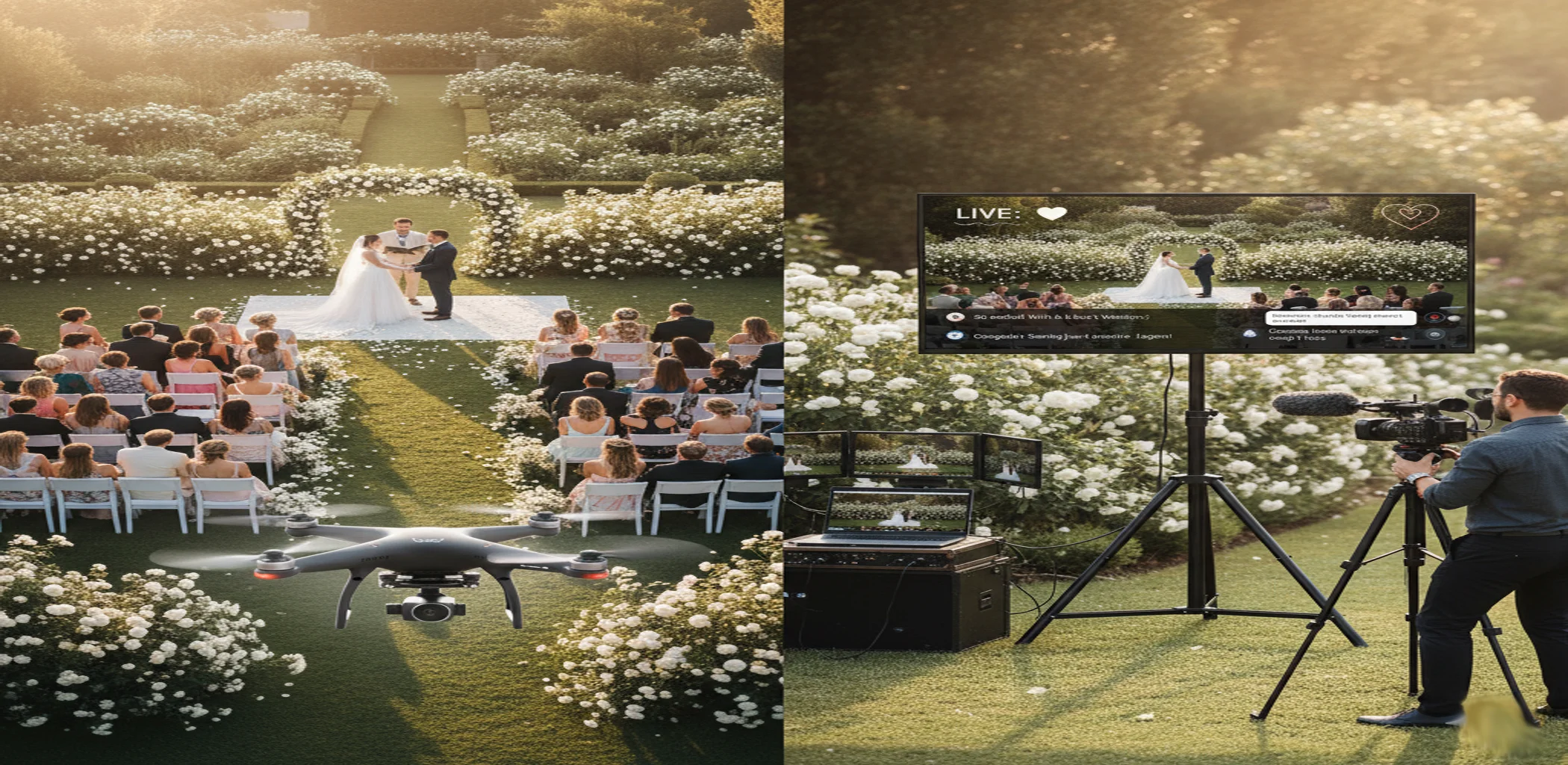
Drone photography has revolutionized wedding documentation by offering breathtaking aerial views that traditional photography cannot match. These high-flying cameras capture the grandeur of wedding venues, sweeping landscapes, and the intricate details of ceremonies from unique perspectives. Whether it’s an outdoor garden, a beachside setting, or a grand palace, drones provide cinematic shots that elevate wedding albums to new heights.
However, integrating drones into weddings requires careful planning. It’s essential to hire certified drone operators familiar with local regulations and venue restrictions. Moreover, considering factors like weather conditions and ensuring the safety of guests are paramount. When executed correctly, drone photography becomes a highlight, offering couples and guests a fresh perspective of the celebration.
Wedding Livestreams: Bridging Distances
The advent of wedding livestreams has transformed the way couples share their special day. Especially in an era where travel might be restricted or when families are spread across the globe, livestreaming ensures that no loved one misses out. Platforms like YouTube, Facebook, and specialized wedding streaming services provide high-definition broadcasts, allowing real-time participation. Interactive features such as live chats enable virtual guests to send their wishes and engage with the ceremony.
To enhance the livestream experience, couples are investing in professional-grade equipment, including multiple cameras, high-quality microphones, and stable internet connections. Some even incorporate virtual reality elements, offering an immersive experience for remote attendees. This trend not only broadens the reach of weddings but also creates lasting digital memories.
AR Photo Booths: Interactive Memories
Augmented Reality (AR) photo booths are the latest sensation in wedding entertainment. These booths superimpose digital elements onto real-world images, allowing guests to pose with virtual props, themed backgrounds, or even interact with 3D animations. The result is a collection of whimsical and personalized photos that guests can instantly share on social media or take home as keepsakes.
Beyond mere fun, AR photo booths offer branding opportunities for weddings. Couples can design custom filters or themes that align with their wedding’s motif, ensuring a cohesive aesthetic. Additionally, integrating AR with social media platforms enables real-time sharing, amplifying the wedding’s presence online.
Personalized Wedding Hashtags: Curating Digital Narratives
In the age of social media, personalized wedding hashtags have become a staple. These unique tags allow couples to curate a digital narrative of their wedding journey, from engagement announcements to post-wedding celebrations. Guests contribute by tagging their photos and videos, creating a collective online album that captures diverse perspectives of the event.
Crafting the perfect hashtag involves creativity and personalization. Couples often combine their names, wedding dates, or inside jokes to formulate catchy and memorable tags. Tools and generators available online assist in brainstorming ideas, ensuring that the chosen hashtag resonates with the couple’s identity. Once established, these hashtags become a digital legacy, allowing couples to relive their special day through the eyes of their loved ones.
Integration of Technology in Wedding Planning
The influence of technology extends beyond the wedding day itself. Couples are leveraging digital tools throughout the planning process. Wedding websites serve as centralized hubs, providing guests with information, RSVP options, and event schedules. Virtual reality previews allow couples to “walk through” venues and visualize decor setups before making decisions. Additionally, AI-driven platforms assist in budgeting, vendor selection, and timeline management, streamlining the planning experience.
This technological integration ensures that weddings are not only memorable but also efficient and personalized. By embracing these innovations, couples can focus more on the celebration and less on logistical challenges.
Conclusion
The fusion of technology and tradition in weddings has ushered in a new era of celebrations. From aerial drone shots to interactive AR experiences, couples are crafting events that are both personal and futuristic. These tech-driven elements not only enhance the wedding experience but also create lasting digital memories that can be cherished for years to come. As technology continues to evolve, so too will the ways in which couples celebrate their love, ensuring that each wedding is a unique reflection of their journey together.