
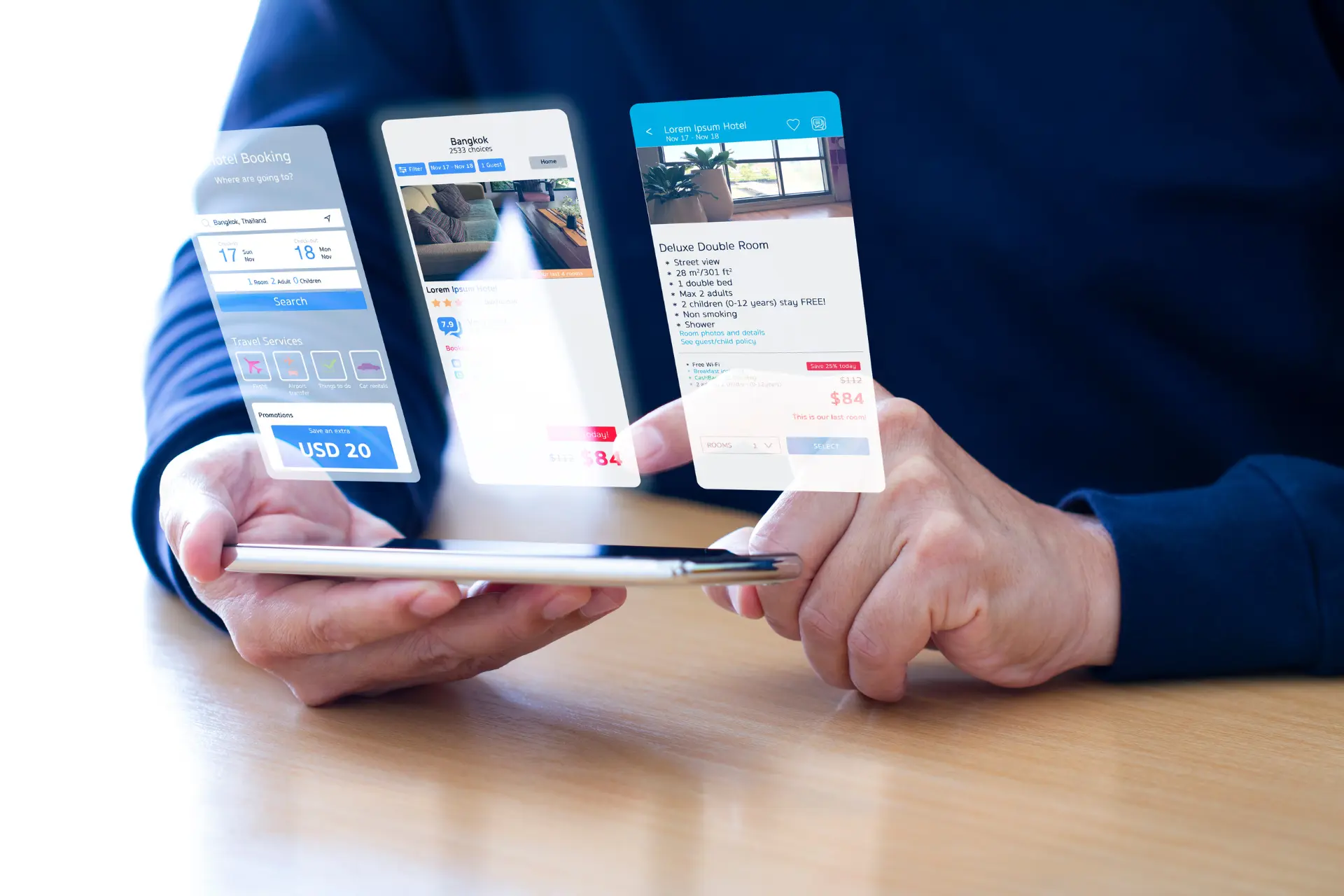
In the fast-paced world of hospitality, static pricing no longer works. Guests book from multiple platforms, compare rates instantly, and expect flexible offers. To stay competitive, hoteliers must embrace dynamic pricing strategies for hotels, along with strong branding and marketing solutions that attract the right audience
where room rates shift based on demand, market trends, guest behavior, and competitor actions.
Dynamic pricing is not about charging more it’s about charging smarter. The right pricing model helps hotels increase occupancy, maximize revenue, and deliver value to different guest segments.
In this guide, we’ll explore 15 powerful hotel pricing strategies that revenue managers and hoteliers can implement in 2025 to stay ahead.
Why Dynamic Pricing Matters in Hotels
Traditionally, hotels set fixed rates for seasons high, medium, and low. But with the rise of OTAs, last-minute bookings, and AI-driven travel tools, demand can fluctuate within hours. If your pricing isn’t adaptive, you risk losing revenue.
Benefits of dynamic pricing include:
- Higher occupancy during off-peak seasons
- Maximum revenue during high-demand periods
- Better competitiveness against nearby hotels
- Personalized guest experiences through tailored offers
Now, let’s dive into the 15 hotel pricing strategies that can transform revenue management.
15 Dynamic Pricing Strategies for Hotels
1. Demand Surge Pricing
When demand peaks—holidays, weekends, festivals, or sudden travel surges room prices should rise automatically. Guests accept higher rates during urgency, ensuring hotels don’t leave money on the table.
2. Geo-Targeted Pricing
Rates adjust based on the guest’s location, device, or currency. For instance, a guest booking from a high-income country may see slightly higher rates, while local guests receive discounts to encourage bookings.
3. Time-Sensitive Pricing
Encourage early bookings with discounted rates. As the check-in date approaches, prices rise. This creates urgency and rewards planners while increasing last-minute margins.
4. Behavioral Pricing
AI tracks guest behavior repeat searches, cart abandonment, or frequent visits. Hesitant bookers may see a limited-time discount, while confident buyers see consistent pricing. This balances conversion and profitability.
5. Occupancy-Based Pricing
Room rates fluctuate depending on occupancy levels. When occupancy is low, prices drop to attract guests. As availability decreases, rates rise to maximize yield.
6. Competitor-Responsive Pricing
Hotels that monitor competitor rates in real time can adjust pricing instantly. If a nearby hotel lowers rates, AI tools ensure your prices remain competitive without sacrificing profit.
7. Event-Driven Pricing
Large events like concerts, conferences, or sports tournaments increase travel demand. Anticipating these spikes lets hotels raise prices or create event packages (room + tickets + transfers).
8. Customer Loyalty Tier Pricing
Loyalty programs offer dynamic rewards. Returning guests see better rates, exclusive discounts, or tier-based offers. This boosts retention and encourages repeat stays.
9. Inventory Decay Pricing
Unsold rooms lose value as the check-in date approaches. Inventory decay pricing uses discounts to recover revenue without damaging brand value, especially for perishable inventory.
10. Micro-Segmentation Pricing
AI segments guests into hyper-specific groups business travelers, families, budget travelers, luxury seekers and assigns tailored pricing curves. This improves conversions across diverse profiles.
11. Psychological Charm Pricing
A classic pricing trick with a dynamic twist: instead of $200, charge $199. When engagement drops, small changes influence buyer psychology and make rooms feel more affordable.
12. Package Bundle Pricing
Hotels combine services like breakfast, spa access, airport transfers, or tours into bundles. Dynamic pricing adjusts bundle rates, increasing perceived savings and boosting overall spend.
13. AI Forecast Pricing
Machine learning predicts demand weeks ahead, considering holidays, weather, local events, and travel patterns. Instead of reacting, hotels proactively set rates to capture maximum revenue.
14. Auction-Style Pricing
Some hotels experiment with bidding systems for premium suites or packages. Guests compete in real time, and the highest willingness-to-pay is captured, ensuring fair yet profitable pricing.
15. Personalized Willingness-to-Pay Pricing
AI models estimate each guest’s maximum willingness-to-pay based on past spending, digital footprint, and demographics. This hyper-personalized pricing ensures rates feel tailored and competitive.
Implementing Dynamic Pricing: Best Practices
To apply these pricing strategies effectively, hotels should:
- Invest in Revenue Management Systems (RMS): Tools like Duetto, IDeaS, or Atomize automate pricing decisions.
- Use Data Analytics: Monitor booking patterns, competitor activity, and demand forecasts.
- Balance Profit with Guest Experience: Overpricing can damage reputation always provide value.
- Integrate with OTAs and Direct Booking Platforms: Ensure dynamic pricing reflects across all sales channels.
The Future of Hotel Pricing
By 2025, AI and predictive analytics will dominate hotel revenue management. Hotels that rely on static pricing risk falling behind, while those embracing dynamic strategies will capture higher revenue and enhance guest loyalty.
Dynamic pricing is not just about charging more it’s about charging the right price, to the right guest, at the right time.
FAQ’s
What is dynamic pricing in hotels?
Dynamic pricing in hotels means adjusting room rates in real time based on demand, market trends, guest behavior, and competitor actions.
Which hotel pricing strategy works best?
There’s no single best strategy. Surge pricing works during high demand, while occupancy-based discounts help fill rooms in low season. A mix of strategies works best.
How does AI improve hotel pricing?
AI tools forecast demand, analyze booking patterns, and track competitors. This helps hotels set optimal rates automatically and stay competitive.
Can dynamic pricing increase hotel bookings?
Yes. By offering competitive and flexible rates, dynamic pricing boosts occupancy, especially during off-peak seasons, while maximizing revenue in high-demand periods.
What’s the difference between static and dynamic pricing?
Static pricing keeps rates fixed regardless of demand. Dynamic pricing adjusts in real time, reflecting occupancy, events, and market changes.