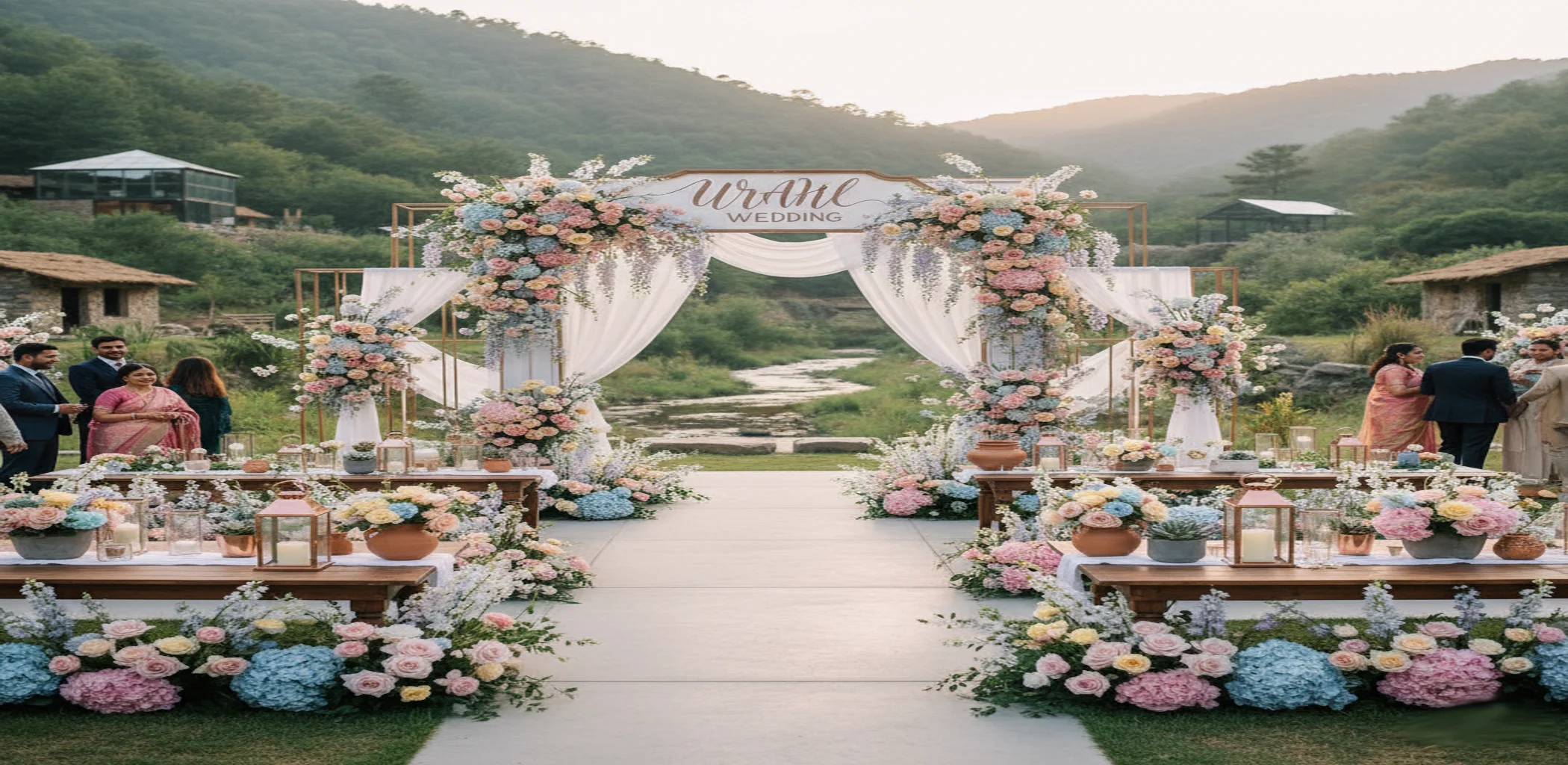
Weddings in India have always been synonymous with grandeur and festivity—but today’s couples are redefining what that means. A growing number of modern Indian brides and grooms are choosing to celebrate their love in harmony with nature, giving rise to one of the most meaningful trends in recent years—the Eco-Friendly Wedding. This theme is not just about style; it’s about substance. It’s where conscious living meets celebration, proving that sustainability and luxury can coexist beautifully.
Concept Overview
An Eco-Friendly Wedding focuses on minimizing environmental impact without compromising on beauty or tradition. From biodegradable décor and digital invitations to locally sourced flowers and organic cuisine, every detail reflects mindfulness. It’s about cherishing love while respecting the planet—celebrating responsibly and inspiring guests to do the same.
This theme encourages a shift from extravagance to experience, where every choice tells a story of thoughtfulness. Whether it’s using reusable materials, upcycled décor, or supporting local artisans, eco-weddings align with the idea of giving back to the Earth.
Venue Selection
Choosing the right venue sets the tone for an eco-conscious celebration. Outdoor settings such as botanical gardens, eco-resorts, farms, or beaches allow nature to become the central design element. Venues with natural lighting, solar energy systems, or green certifications are ideal. Heritage properties that preserve local architecture also fit the ethos beautifully.
In metropolitan areas, couples often choose sustainable event venues that operate on zero-waste principles—using solar panels, rainwater harvesting, and eco-composting systems. Holding all ceremonies in one location minimizes travel emissions, further supporting sustainability.
Color Palette
The color scheme of an eco-friendly wedding draws inspiration directly from nature. Think earthy tones—sage green, ivory, sand, beige, and soft gold—combined with accents of terracotta or dusty rose. These hues exude warmth, serenity, and sophistication, reflecting the organic beauty of the outdoors.
For décor, natural fibers like jute, linen, and bamboo can complement this palette, creating a calm and grounding atmosphere. Soft lighting through candles or lanterns enhances the intimate, earthy vibe.
Décor & Styling
In this theme, simplicity reigns supreme. Décor elements are handcrafted, locally sourced, and reusable. Centerpieces can include potted plants, succulents, or terrariums instead of cut flowers. Upcycled wooden furniture, cloth drapes, and recycled paper banners create rustic charm.
For mandaps, couples are opting for bamboo frames decorated with local flowers, banana leaves, and fabric instead of plastic or synthetic décor. Biodegradable confetti made from dried petals replaces glitter or plastic streamers.
Coconut shells, jute runners, and clay diyas add an earthy, traditional touch while keeping the aesthetic elegant and natural.
Floral Arrangements
Eco-friendly weddings often replace exotic, imported flowers with seasonal and local blooms. Using marigolds, jasmine, chrysanthemums, or native wildflowers supports local farmers and reduces transportation emissions.
After the ceremony, leftover flowers can be composted or donated for making organic incense and dyes—ensuring nothing goes to waste.
Fashion & Attire
Conscious fashion plays a starring role in eco-weddings. Brides increasingly choose handwoven, organic fabrics such as khadi, cotton silk, or linen. Sustainable designers offer lehengas dyed with natural pigments or crafted from recycled textiles.
Heirloom jewelry and repurposed vintage pieces lend emotional depth while minimizing material consumption.
Grooms can opt for breathable, organic cotton kurtas or handloom bandhgalas. Coordinated outfits made by local artisans support traditional craftsmanship and promote slow fashion.
Invitations & Stationery
Paperless invitations are a hallmark of the eco-friendly wedding. Couples are embracing e-invites, animated videos, or interactive websites in place of physical cards.
If printed invitations are essential, they’re made on seed paper or recycled materials that can later be planted to grow herbs or flowers—a symbolic gesture of life and renewal.
Menus, place cards, and thank-you notes can also be crafted from handmade paper, ensuring every detail reflects sustainability.
Food & Beverages
The culinary experience at an eco-friendly wedding centers around local, organic, and seasonal produce. Farm-to-table menus designed with minimal food waste showcase authentic flavors while reducing carbon footprints.
Using reusable cutlery, bamboo plates, and clay cups eliminates single-use plastics. Live salad bars, organic juice counters, and herbal teas replace processed beverages. Leftover food can be composted or donated to local charities.
For beverages, fruit-infused waters, tender coconut stations, and organic wine selections keep the experience refreshing and conscious.
Lighting & Energy Use
Lighting sets the mood while conserving energy. Solar-powered fairy lights, LED bulbs, and beeswax candles offer soft illumination. Holding ceremonies during daylight or twilight reduces electricity consumption, while open-air venues enhance natural ambiance.
Projectors, screens, and audio systems can also run on renewable energy sources where possible.
Waste Management & Recycling
Zero-waste management is a cornerstone of this theme. Designated bins for recycling, composting, and general waste help maintain cleanliness. Event planners often collaborate with NGOs or sustainability groups to ensure efficient waste segregation.
Reusable signage, cloth napkins, and water refill stations replace disposable items, cutting down on plastic pollution.
Gifts & Favors
Eco-friendly weddings extend their ethos to gifting. Guests receive thoughtful favors such as seed kits, handmade soaps, reusable jute bags, or small potted plants. Couples can also skip favors altogether and make a donation to a charity on behalf of their guests—a heartfelt and purposeful gesture.
For return gifts, artisanal products like organic honey jars, terracotta candles, or handwoven scarves highlight local craftsmanship and support rural communities.
Transportation & Carbon Offset
Transportation is often a major source of emissions during weddings. Eco-conscious couples encourage carpooling, electric vehicle rentals, or shuttle services for guests.
Additionally, couples can offset their carbon footprint by planting trees or contributing to environmental causes—a meaningful start to married life.
Rituals & Ceremonies
Traditional rituals can be performed in ways that align with sustainability. For instance, using natural dyes for haldi, clay diyas for lighting, and locally sourced ghee for havans reduces ecological impact. Even wedding thalis can be made from banana leaves or steel instead of disposable materials.
The phera mandap can be surrounded by plants that the couple later relocates to their garden—a symbol of growth and commitment.
Entertainment & Music
Sustainable celebrations don’t mean less fun! Acoustic bands, folk artists, or unplugged performances create intimate musical experiences without high energy demands. Eco-conscious sound systems with energy-efficient amplifiers ensure a balance of enjoyment and responsibility.
Photo booths designed with reusable frames, dried flowers, and upcycled backdrops make for great eco-themed memories.
Photography & Videography
Photographers now use digital-only workflows, eliminating the need for chemical printing. Drone shots and natural-light photography minimize equipment energy use.
Couples can even request photographers to deliver albums via digital galleries instead of printed versions, preserving resources while maintaining elegance.
Why Couples Love It
Eco-friendly weddings reflect a new kind of luxury—one rooted in awareness, compassion, and authenticity. They create an atmosphere of peace and purity, aligning love with the rhythm of nature. Guests appreciate the conscious choices, and couples take pride in knowing their wedding left a positive footprint on the planet.
This theme resonates deeply with millennial and Gen Z couples who value meaning over materialism. It turns every ritual into a statement—an affirmation of commitment not only to each other but also to the environment.
Modern Adaptations
Today’s planners are blending technology with sustainability. Digital seating charts, solar-charged dance floors, and biodegradable confetti cannons bring innovation into eco-conscious design. Some couples even livestream their weddings to reduce travel, making the event inclusive yet planet-friendly.
Conclusion
The Eco-Friendly Wedding is more than a trend—it’s a movement. It represents a conscious shift from opulence to responsibility, from waste to wonder. Every choice—be it décor, food, or attire—becomes a reflection of care for the Earth and gratitude for its abundance.
In embracing sustainability, couples not only celebrate love but also set an inspiring example for generations to come. After all, what could be more romantic than beginning a lifelong journey together on a foundation of respect—for each other, and for the planet that sustains us all?
Click Here For More Details on Indian Weddings